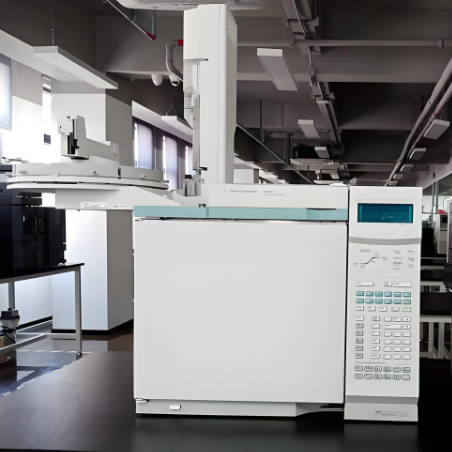
通用陆地移动无线服务设备检测
ITU-R INFORME SM.2092 SPANISH-2007积极的服务分配在相邻或附近的区域对地球勘探卫星服务(被动)相关的影响的研究
The passive radio astronomy service (RAS) is studying natural phenomena producing radio emissions at frequencies fixed by the laws of nature. Primary allocations have been made to various space services in the Earth-to-space direction such as the fixed-satellite service (FSS), radionavigation-satellite service (RNSS), mobile-satellite service (MSS) and broadcasting-satellite service (BSS) in bands adjacent or nearby to bands allocated to the RAS.
ANSI PC63.19 D3.17-2006无线通信装置和助听器间兼容性的测量方法用美国标准
This standard applies to both wireless communications devices (WDs) and hearing aids. It sets forth uniformmethods of measurement and parametric requirements for the electromagnetic and operational compatibility andaccessibility of hearing aids used with wireless communications devices, including cordless, cellular, PersonalCommunications Service (PCS) phones and Voice over Internet Protocol (VoIP) devices, operating in the range of800 MHz to 3 GHz. However, this version is focused on existing services, which are in common use. Accordingly,in this version tests are provided for services in the 800 - 950 MHz and 1.6 - 2.5 GHz frequency bands. Futureversions may add tests for other frequency bands, as they come into more common use.This standard is intended to apply to all types of hearing aids with acoustic output, including, as examples, behindthe-ear (BTE), in-the-ear (ITE), in-the-canal (ITC), and completely-in-the-canal (CIC) types. Test methods areprovided for hearing aids operating in acoustic (microphone input) mode or in T-coil input mode.The field levels called for in various places shall be maintained within the limits for RF safety, set forth in ANSIC95.1-1999, IEEE Standard for Safety Levels with Respect to Human Exposure to Radio FrequencyElectromagnetic Fields, 3 kHz to 300 GHz.