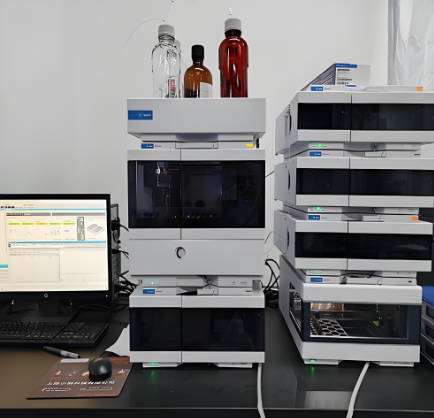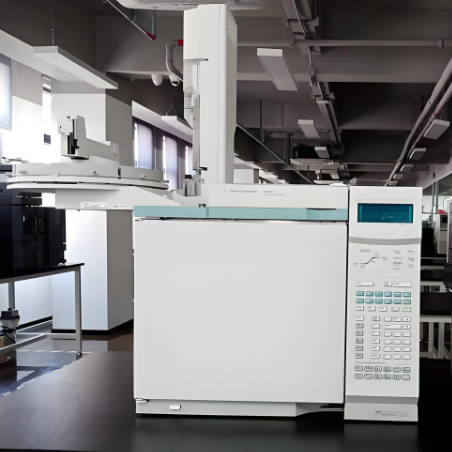
螺旋断层治疗装置检测
GB 30186-2013氧化铝安全生产规范
本标准规定了氧化铝安全生产的基本安全要求、设备设施安全作业要求以及事故应急措施等。本标准适用于氧化铝企业的设计、施工、安装、生产和设备检修中的安全管理。
GBZ/T 201.2-2011放射治疗机房的辐射屏蔽规范.第2部分:电子直线加速器放射治疗机房
GBZ/T 201的本部分给出了电子直线加速器(以下简称加速器)放射治疗机房的剂量控制要求,辐射屏蔽的剂量估算与检测评价方法。本部分适用于30 MeV以下的加速器放射治疗机房。本部分不适用于手术中加速器电子线治疗的机房。
YY/T 0757-2009人体安全使用激光束的指南
本标准可作为一项给激光设备所有者、责任机构、激光安全员、激光设备操作者和其他相关人员,就如何安全使用3B类或4类的激光和激光设备提供的指南。本标准的范围至少包括在卫生保健机构、美容与脱毛中心、牙科诊所中,还包括在交通工具和家庭住宅中激光束作用于人体的所有应用。本标准阐述了针对患者、操作人员、维修人员的安全性方面控制措施的建议。同时,也对属于激光设备或装置一部分的工程控制进行了简要介绍,以便使大家了解其一般防护原则。本标准涉及的范围包括:光束传输系统;激光辐射的生物效应;事故和危险情况的报告;清单。本标准的目的使用过提供如何建立安全规程、预防措施和用户控制措施的指导,使人员更好的防护激光辐射和其他相关危害。
YY/T 0798-2010放射治疗计划系统 质量保证指南
本标准适用于放射治疗计划系统(以下简称RTPS),规定了RTPS的质量保证指导原则。
YY/T 0808-2010血管支架体外脉动耐久性标准测试方法
本测试方法通过施加流体脉动负载使得血管支架处于与体内环境类似的直径膨胀水平来评价血管支架的耐久性能。该方法适用于已经在模拟血管(模拟血管弹性)中扩张的支架测试样品。典型的耐久测试期相当于10年时间(按照每分钟72次心跳计算)或至少3亿8千万次心动周期。本方法适用于金属或合金的球囊扩张支架或自扩张支架。虽然这个测试方法也可用于涂层支架、聚合物支架或降解支架产品,但并不特别针对这些支架所特有的属性。本方法并不推荐用于治疗动脉瘤或外周血管损伤或提供血管通路的覆膜支架或其他导管产品。但其中的一些信息也许可以用在这些产品的评价上。本方法适用于由于典型的周期性血管直径膨胀导致的支架失效,但不涉及动态弯曲、扭转、拉伸、挤压或磨损等导致支架失效的模式。本方法不涉及弯曲血管模型的测试条件。本方法不涉及支架重叠测试条件。本标准并非试图对所涉及的所有安全问题进行阐述,即便需要,也应结合其使用。确立适当的安全健康的操作规范,以及在应用前明确管理权限,是本标准用户自身的责任。
HG 20571-2014化工企业安全卫生设计规范
本规范适用于新建、扩建、改建的化工建设项目的安全卫生设计。
SL 399-2007水利水电工程土建施工安全技术规程
本标准规定了水利水电工程土建施工的安全技术要求。本标准适用于大中型水利水电工程土建施工中的安全技术管理、安全防护与安全施工,小型水利水电工程及其他土建工程可参照执行
SL 401-2007水利水电工程施工作业人员安全操作规程
本标准规定了参加水利水电工程施工作业人员安全、文明施工的行为规范。本标准规定了参加水利水电工程施工作业人员安全、文明施工的行为规范。
WS/T 118-1999卫生行业药疗器械、仪器设备(商品、物资)分类与代码
本标准规定了卫生行业医疗器械、仪器设备(商品、物资)的分类与代码。 本标准适用于卫生行业各医疗、教学、科学研究和生物制品等单位对物资管理、计划、统计及会计业务等使用。
JGJ 312-2013医疗建筑电气设计规范
本规范适用于新建、扩建和改建医疗建筑的电气设计
JJG 1179-2021医用诊断螺旋计算机断层摄影装置(CT)放射治疗模拟定位X射线辐射源
本规程适用于医用诊断螺旋计算机断层摄影装置(CT)放射治疗模拟定位X射线辐射源(以下简称CT放疗模拟定位辐射源)的首次检定、后续检定和使用中的检查。
EN 1997-2-2007欧洲法规7.土工设计.第2部分:土地勘测和测试[代替:CEN ENV 1997-3]
Eurocode 7(1) EN 1997 is intended to be used in conjunction with EN 1990:2002, which establishes the principles and requirements for safety and serviceability, describes the basis of design and verification and gives guidelines for related aspects of structural reliability. (2) EN 1997 is intended to be applied to the geotechnical aspects of the design of buildings and civil engineering works. It is subdivided into various separate parts (see ). (3) EN 1997 is concerned with the requirements for strength, stability, serviceability and durability of structures. Other requirements, e. g. concerning thermal or sound insulation, are not considered. (4) Numerical values of actions on buildings and civil engineering works to be taken into account in design are provided in EN 1991 for the various types of construction. Actions imposed by the ground, such as earth pressures, shall be calculated according to the rules of EN 1997. (5) Separate European Standards are intended to be used to treat matters of execution and workmanship. They are denoted in the relevant sections. (6) In EN 1997 execution is covered to the extent that is necessary to conform to the assumptions of the design rules. (7) EN 1997 does not cover the special requirements of seismic design. EN 1998 provides additional rules for geotechnical seismic design, which complete or adapt the rules of this standard. EN 1997-2 (1) EN 1997-2 is intended to be used in conjunction with EN 1997-1 and provides rules supplementary to EN 1997-1 related to: planning and reporting of ground investigations; general requirements for a number of commonly used laboratory and field tests; interpretation and evaluation of test results; derivation of values of geotechnical parameters and coefficients. In addition, examples of the application of field test results to design are given. NOTE Establishment of characteristic values is covered in EN 1997-1. (2) This document gives no specific provisions for environmental ground investigations. (3) Only commonly used geotechnical laboratory and field tests are covered in this standard. These were selected on the basis of their importance in geotechnical practice, availability in commercial geotechnical laboratories and existence of an accepted testing procedure in Europe. The laboratory tests on soils are mainly applicable to saturated soils. NOTE It is expected that updates of the present standard will gradually include laboratory and field tests covering additional aspects of soil and rock behaviour. (4) The provisions of this standard apply primarily to projects of geotechnical category 2, as defined in 2.1 of EN 1997-1:2004. The ground investigation requirements for category 1 projects are normally limited as the verifications often will be based on local experience. For geotechnical category 3 projects, the amount of investigations required will normally be at least the same as indicated for geotechnical category 2 projects in the following sections. Additional investigations and more advanced tests, related to the circumstances that place a project in geotechnical category 3, may be necessary. (5) The derivation of parameter values is dedicated primarily to the design of pile and spread foundations based on field testing, as detailed in Annexes D, E, F and G of EN 1997-1:2004.
DIN 6809-3-2012临床剂量测定. 第3部分:诊断放射学
This standard specifies dosimetric methods used in X-ray diagnosis in the context of quality assurance and radiation protection for measuring of dose quantities and technical properties.
DIN 6814-3-2016放射技术领域的术语.第3部分:放射量测定
The standard contains terms and definitions for the dosimetry in the context of therapeutic and diagnostic applications of ionizing radiation and radiation protection as well.
DIN EN 1997-2-2010欧洲法规7:土工设计.第2部分:土地勘测和测试.德文版本EN 1997-2-2007+AC-2010
Requirements for the execution, interpretation and use of results of laboratory tests to assist in the geotechnical design of structures
DIN EN ISO 472-2013塑料.词汇表(ISO 472-2013).三种语言版本EN ISO 472-2013
This standard defines terms used in the plastics industry, including terms and definitions appearing in plastics standards (of ISO/TC 61), and general terms and definitions of polymer science used in all aspects of plastics technology.
DIN EN ISO 11074-2015土质.词汇(ISO 11074-2015);三语种版本EN ISO 11074-2015
This International Standard defines a list of terms used in the field of soil quality. The terms are classified under several main headings: general terms - description of soil - sampling - terms related to the assessment of soils and remediation.
BS 3998-2010树木工作.推荐规范
This British Standard gives general recommendations for tree work.It gives guidance on management options for established trees(including soil care and tree felling) and overgrown hedges.NOTE The principles of this standard may also be applied to some shrubs,which can have similar characteristics to trees.This British Standard does not give guidance on carrying out tree surveys or tree inspections. It considers the impact of work on an individual tree in relation to neighbouring trees, but does not cover overall management of tree populations.