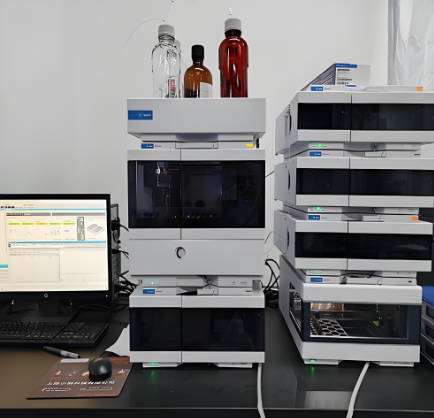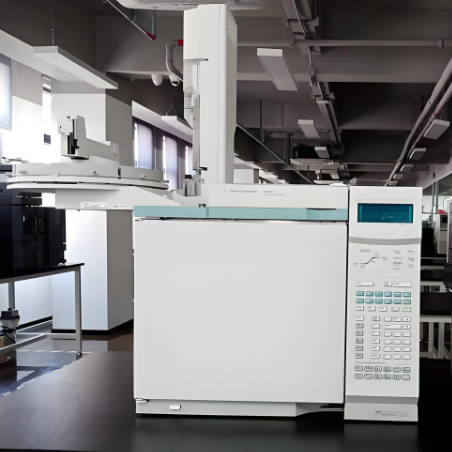
机器人电气部件检测
GB/T 5226.33-2017机械电气安全 机械电气设备 第33部分:半导体设备技术条件
GB/T 5226的本部分规定了半导体设备相关的制造、测量、组装和测试的电气、电子和可编程电子设备及系统的安全要求。本部分所论及的设备是从机械电气设备的电源引入处开始的(见5.1)。本部分适用的电气设备或电气设备部件,其标称电压不超过1 000 Va.c.或1 500 Vd.c.,额定频率不超过200 Hz。对于更高的电压或频率,可能需要特殊的要求。本部分包括针对电气安全隐患的防护措施和针对非电气安全隐患的电气联锁保护电路,但不涵盖由其他标准或法规规定的对人身安全保护的所有要求(如化学品危险、机械危险、辐射危害)。每种类型的机械适应其特定要求以提供足够的安全。下列半导体制造设备的电气装置应提供附加和特殊技术要求:——使用、加工或生产易爆材料;——在易燃易爆环境中使用;——当生产或使用某种材料时有特殊风险;——作为起重机械(包括在IEC 60204-32)。本部分不包括半导体设备的性能或功能特性规范。本部分不涉及对人类健康可能造成影响的源于半导体设备的排放(如电磁场,噪声)。本部分没有规定电磁兼容性(EMC)的要求。
GB 12367-2006涂装作业安全规程 静电喷漆工艺安全
本标准规定了静电喷漆工艺及其设备、涂料贮存和运输、操作和维修等的安全要求。 本标准适用于使用可燃或易燃涂料的静电喷漆工艺及其装备的设计、制造、使用和监督管理。使用其它易燃易爆材料或水性涂料的静电喷漆工艺可参照执行。
GB/T 12668.3-2012调速电气传动系统.第3部分 :电磁兼容性要求及其特定的试验方法
GB 12668 的本部分规定了电气传动系统(PDS)的电磁兼容性(EMC)要求。PDS的定义如3.1中所述。这里的电气传动系统包括调速的交流电动机传动和直流电动机传动。这些EMC要求是针对变流器输入和/或输出电压(线电压)有效值在交流35 kV以下的PDS而规定的。本部分适用于对PDS的评价。同时也可用于对单独销售的CDM或 BDM(见3.1)的评价。本部分包含:对于要投放市场的产品的符合性评价要求;对于在设备投放市场之前不能测量出高频发射的场合(这类PDS在3.2.6中被定义为C4类)推荐的工程设计实践。
GB 25432-2010平板硫化机安全要求
本标准规定了对平板硫化机和辅助装置,特别是和装模、卸模装置之间相互作用引起的附加危险的基本安全要求。对辅助装置本身的安全要求,未予规定。本标准适用于具有垂直锁模运动、行程超过6mm的模压成型橡塑制品、胶带、胶板的平板硫化机。本标准第4章所列平板硫化机的重大危险均涵盖了模压硫化机和胶带硫化机/胶板硫化机。本标准不涵盖下列机器:注射成型机;充气轮胎硫化机;内胎、各类胶囊硫化机;热成型机;反应注射成型机。本标准不包括:具有潜在爆炸环境下使用的设备及防护系统的要求;排气通风系统的设计要求。
GB/T 33265-2016教育机器人安全要求
本标准规定了教育机器人的基本安全要求、保护措施以及使用信息的要求和准则。本标准适用于教育机器人。如果一个机器人由未成年人来组装,本标准适用于可接触的每个零件和组装的机器人;如果一个机器人由成人(年满18周岁)组装或者在出厂时已经组装好,本标准适用于组装的机器人。
GB/T 37419-2019小艇 操舵、换挡和油门的电气或电子控制系统
本标准规定了小艇电气或电子操舵系统、换挡和油门、动力定位控制系统的设计、建造和试验要求。本标准适用于艇体长度不大于24 m的小艇。
YC/T 384.2-2018烟草企业安全生产标准化规范 第2部分:安全技术和现场规范
YC/T 284的本部分规定了烟草企业安全生产标准化的安全技术和现场规范要求,包括设备设施、作业活动、作业环境和现场运行的安全要求。本部分适用于省级烟草公司(局)、省级工业公司等省级公司、烟草加工和烟草商业生产经营单位。其中,烟草商业生产经营单位特指地市级烟草公司,烟草加工单位含烟叶复烤、卷烟制造、雪茄烟制造、再造烟叶生产的单位。烟草配套和多元化投资的其他生产经营单位,如醋酸纤维、烟草印刷等单位可参照执行。
UL 1740-2007机器人和自动设备
These requirements cover robots and robotic equipment rated 600 V or less and intended for installation in accordance with the National Electrical Code, ANSI/NFPA 70. Since end-use installation of a robot and robotic equipment may vary for each user application, guidelines for end-product installation may be evaluated to the applicable sections of ANSI/RIA R15.06, Standard for Industrial Robots and Robot Systems-Safety Requirements. Portions of the requirements in this Standard have been excerpted from the Robotic Industries Associations (RIA) Standard for Industrial Robots and Robot Systems - Safety Requirements, ANSI/RIA R15.06. These requirements cover robotic equipment and systems intended for indoor and outdoor use in applications such as parts assembly, parts transfer, automated material handling, inspection, loading, diecasting, deburring, welding, paint spraying, clinical/diagnostic systems, pharmaceutical applications, commercial food processing, automated vehicle refueling systems, library book handling/sorting, clean room applications, medical use for surgery, mobile robots, automated guided vehicles, automated storage/retrieval systems, and the like. Unique features or functions associated with the robotic application, not specifically addressed in this Standard, shall also be evaluated to other applicable Standards/requirements. These may include, but are not limited to, Electrical Equipment for Laboratory Use; Part 1: General Requirements, UL 3101-1; Medical and Dental Equipment, UL 544; Power Operated Pumps for Petroleum Product Dispensing Systems, UL 79. In addition to the requirements in this Standard, robots and robotic systems shall also comply with the applicable sections of the Electrical Standard for Industrial Machinery, ANSI/NFPA 79. Robots and robotic systems intended for use in hazardous locations, as defined by the National Electrical Code ANSI/NFPA 70, shall also comply with the requirements in Intrinsically Safe Apparatus and Associated Apparatus for Use in Class I, II, and III, Division 1, Hazardous (Classified) Locations, UL 913. In the following text, a requirement that applies to one type of equipment, such as a controller or teach pendant, will be identified by a specific reference. In the absence of a specific reference or if the term robot or robotic equipment is employed, it is to be understood that the requirement applies to all types of equipment covered by this Standard.
UL SUBJECT 2011-2006工厂自动化设备调查大纲.发布编号:2
Outline of Investigation for Factory Automation Equipment Issue Number: 2
NF G83-102-2008制鞋机械.靴模机械.安全要求
La présente Norme européenne s'applique aux machines de moulage pour chaussures utilisées dans l'industrie de la chaussure pour la production de chaussures et d'articles chaussants.Ces machines sont :- les machines de moulage direct des semelles ;- les machines de moulage d'éléments de chaussures et de semelles (voir Figures 4 à 10) ;- les machines pour moulage complet de chaussures et bottes.La présente Norme européenne s'applique également aux machines mentionnées lorsqu'elles sont utilisées pour des produits autres que les chaussures et articles chaussants, dans la mesure où ces produits ne nécessitent pas d'autre modification qu'un moule différent.La présente Norme européenne spécifie les prescriptions de sécurité relatives à la construction, au transport, à l'installation, à la mise au point, au réglage, à l'apprentissage ou au changement de procédé de fabrication, au fonctionnement, au nettoyage, à la maintenance, à la mise hors service, au démontage et, pour autant que cela concerne la sécurité, à la mise au rebut des machines mentionnées en 1.1.Elle traite de tous les phénomènes dangereux significatifs, situations et événements dangereux applicables aux machines de moulage pour chaussures, lorsqu'elles sont utilisées selon l'usage prévu et dans des conditions de mauvais usage raisonnablement prévisibles par le fabricant.
DIN EN 1845-2008制鞋机械.鞋模机械.安全要求
1.1 This European Standard applies to footwear moulding machines which are intended for use in the shoeindustry for the production of footwear and footwear components.These machines are:-- direct-on sole moulding machines (see Figures 1, 2 and 3);-- unit sole and footwear component moulding machines (see Figures 4 to 10);-- full shoe and boot moulding machines (see Figure 11).This European Standard applies also to the mentioned machines when used for other products than footwearand footwear components, as far as these products require no other changes than a different mould.1.2 This European Standard specifies safety requirements for construction, transport, installation,adjustment, setting, teaching or process change-over, operation, cleaning, maintenance, decommissioning,dismantling and, as far as safety is concerned, disposal for machines mentioned in 1.1.It deals with all significant hazards, hazardous situations and events relevant to footwear moulding machines,when they are used as intended and under conditions of misuse which are reasonably foreseeable by themanufacturer (see Clause 4).1.3 The following machines are excluded from the scope of this European Standard unless used for direct-on sole moulding or reaction moulding:-- moulding machines with static injection units and static mould stations (clamping units);-- moulding machines with static metering and mixing units and mobile stations with linear configuration (mould carriers).1.4 The European Standard does not deal with hazards created by the mixing and metering unit.NOTE For metering and mixing units, see EN 1612-1.The use of machines within the scope of this European Standard in industries other than those specified in 1.1may give rise to hazards not considered during its preparation.NOTE For this application see also EN 201 and prEN 1612-2.1.5 This European Standard also applies to the following additional equipment for material handling andoperation which are an integral part of the machine:-- spraying devices, injection units, casting units, nozzle cleaners, sprue pullers, mould front edge cleaners, activating devices, robots and equipment for preparatory and subsequent treatment (see Figure M.1).1.6 This European Standard assumes the machines:-- are operated by adequately trained persons;-- are used with adequate workplace lighting (see EN 12464-1).1.7 This document is not applicable to footwear moulding machines which are manufactured before thedate of publication of this European Standard by CEN.
DIN EN 4678-2012航空航天系列.航空航天结构焊件和铜焊.激光焊接金属材料接头.焊接质量.德文和英文版 EN 4678-2011
This document defines the rules to be observed to ensure the quality of aerospace structures in metallic materials by laser beam welding, implemented automatically, semi-automatically or manually. It is applicable without any restriction for the manufacturing of new parts or repair parts.
DIN EN 14238-2010起重机.手控加载操作设备.德文版本EN 14238-2004+A1-2009
This European Standard specifies requirements for load manipulating devices powered by an energy other than human energy, to assist an operator in the handling of loads. This standard covers the manipulation machine and its load handling device(s), but not the supporting structure. This Standard does not cover to mechanically operated balancers that are based on springs or counterweights, programmable automatically controlled manipulating robots, electrically, pneumatically and hydraulically powered hoists. This Standard does not cover hazards related to the lifting of persons.
DIN EN ISO 13482-2014机器人和机器人装置. 个人护理机器人的安全要求 (ISO 13482-2014); 德文版本EN ISO 13482-2014
This standard has been created in recognition of the particular hazards that are presented by new emerging robots and robotic devices for new applications and new environments for providing services rather than manufacturing applications in industrial applications. This standard focuses on the safety requirements for personal care robot applications.