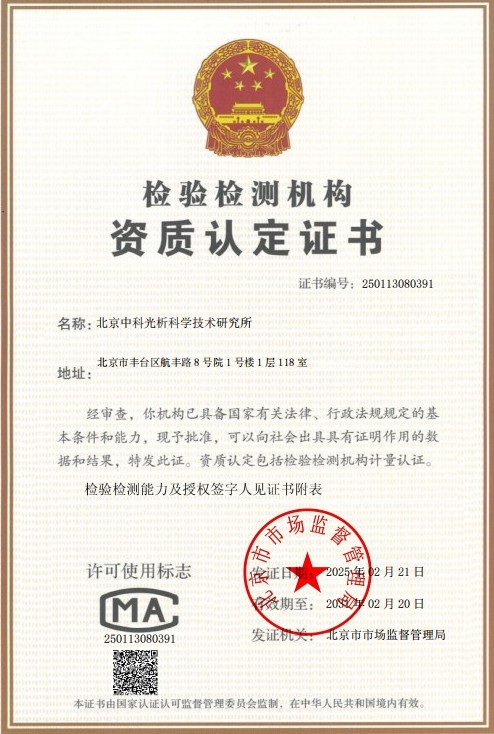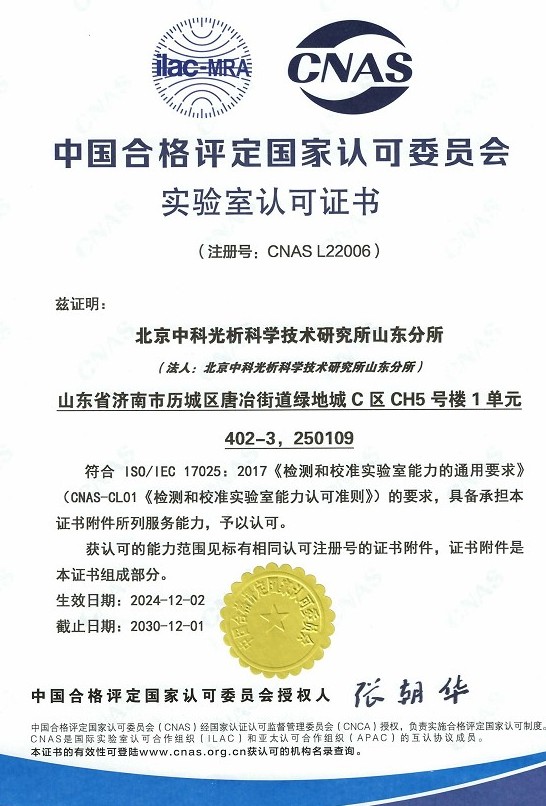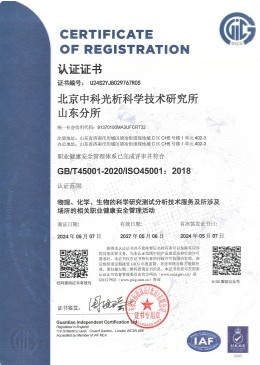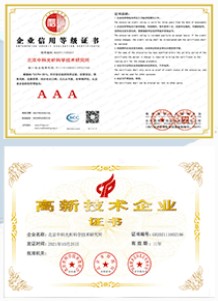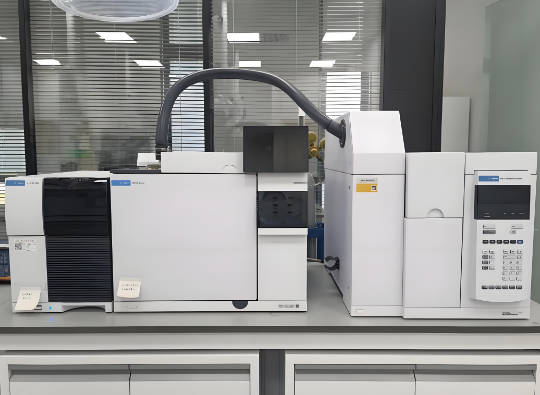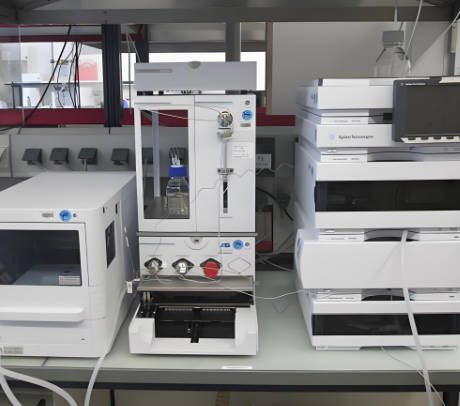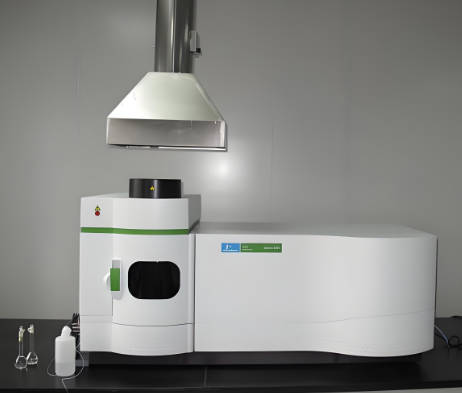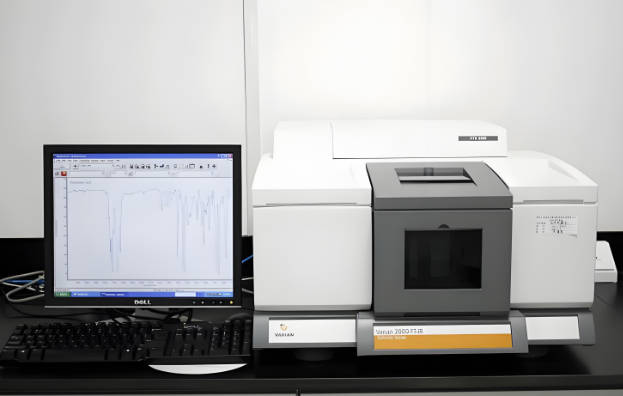
食品接触用橡胶材料及涂层检测
GB/T 3883.1-2014手持式、可移式电动工具和园林工具的安全 第1部分:通用要求
GB 3883的本部分涉及电动机或电磁铁驱动的:--手持式电动工具(第2部分);--可移式电动工具(第3部分);--园林工具(第4部分)。以下简称“工具”。交流单相或直流工具的额定电压不大于250 V,交流三相工具的额定电压不大于440 V。大额定输入功率不超过3 700 W。本部分涉及人们在正常操作以及合理可预见的使用工具时遇到的由工具引发的危险。带电加热元件的工具属本部分范围。这些加热元件的要求在GB 4706的相关部分中规定。对于不与电网隔离、且基本绝缘由不按工具额定电压设计的电动机,其要求在附录B中规定。对于由可充电电池供电的电动机驱动或电磁铁驱动的工具以及用于这些工具的电池包,其要求在附录K中规定。对于能直接接在市电或非隔离电源上操作和/或充电的这类工具,其要求在附录L中规定。不用对工具自身作任何改造便能够安装到一个支架或工作台当作固定式工具使用的手持式电动工具属于本部分范围,由第3部分来规定。本部分不适用于:--在爆炸性环境(尘埃、蒸汽或气体)中使用的工具;--制备和加工食品用工具;--医疗用工具;--与化妆品和药品一起使用的工具;--加热工具;--电动机驱动的家用或类似用途电器;--工业机床用电气设备;--用来制作模型的由低压变压器驱动的小型台式工具,如制作遥控飞机模型或汽车模型等。
GB/T 9106.1-2019包装容器 两片罐 第1部分:铝易开盖铝罐
GB/T 9106的本部分规定了铝易开盖铝罐(以下简称两片罐)的规格分类和结构尺寸、技术要求、试验方法、检验规则和标志、包装、运输及贮存。本部分适用于盛装啤酒、充碳酸气及充氮饮料的未经使用的铝易开盖和铝罐体的制造、流通和监督检验,盛装其他内装物的两片罐可参照使用。
GB/T 9106.2-2019包装谷器 两片罐 第2部分:铝易开盖钢罐
GB/T 9106的本部分规定了铝易开盖钢罐(以下简称两片罐)的规格分类和结构尺寸、技术要求、试验方法、检验规则和标志、包装、运输及贮存。本部分适用于盛装啤酒、充碳酸气及充氮软饮料的未经使用的铝易开盖和钢制罐体的制造、流通和监督检验,盛装其他内装物的两片罐可参照使用。
GB/T 16886.12-2017医疗器械生物学评价 第12部分:样品制备与参照材料
GB/T 16886的本部分规定了医疗器械在按照GB/T 16886其他部分规定的生物学系统进行试验时,所要遵循的样品制备和参照材料的选择要求,并给出了程序指南。本部分具体提出了:——试验样品选择;——从器械上选取有代表性的部分;——试验样品制备;——试验对照;——参照材料的选择和要求;——浸提液制备。本部分不适用于活体细胞,但可适用于含活细胞的组合产品中的材料或器械组分。
GB/T 19891-2005机械安全 机械设计的卫生要求
本标准规定了机器的卫生要求,并给出应由制造商提供的预定使用信息。本标准适用于其产品可能对消费者产生卫生风险的所有类型机器及其关联设备。 本标准不包括对来自机器的微生物制剂的不可控侵染的相关要求。
GB 31604.49-2023食品安全标准 食品接触材料及制品 多元素的测定和多元素迁移量的测定
本标准规定了食品接触材料及制品中砷、镉、铬、铅的测定和铝、砷、钡、镉、钴、铬、铜、铁、锂、锰、钼、镍、铅、锑、锡和锌迁移量的测定。第一篇适用于食品接触用纸和纸板材料及制品、软木塞和竹木制品中砷、镉、铬、铅的测定。第二篇适用于食品接触用塑料材料及制品、食品接触用涂料及涂层、食品接触用橡胶材料及制品、食品接触材料及制品用油墨、食品接触材料及制品用黏合剂、食品接触用纸和纸板材料及制品、奶嘴、搪瓷制品、陶瓷制品、玻璃制品、食品接触用塑料树脂、食品接触用金属材料及制品中铝、砷、钡、镉、钴、铬、铜、铁、锂、锰、钼、镍、铅、锑、锡和锌迁移量的测定。
GB/T 50186-2013港口工程基本术语标准
本标准适用于港口工程的规划、勘测、设计、施工、监理、检测、科研和管理。
HG/T 20229-2017化工设备、管道防腐蚀工程施工及验收规范
本规范适用于化工、煤化工和石油化工建设项目中以钢、铸铁为基体的设备,管道防腐蚀工程的施工及验收。
CJ/T 253-2007钢塑复合压力管用管件
本标准规定了钢塑复合压力管(以下简称管材)用管件的术语、定义、符号和缩略语、分类和标记、材料、要求、测试方法、检验规则和标志、包装、运输、贮存和质量证明书。 本标准适用于与CJ/T 183 规定的钢塑复合压力管相配套的管路系统的管件。
QB/T 1237-2012电炒锅
本标准规定了电炒锅的的术语和定义、器具分类和型号命名、要求、试验方法、检验规则、标志、包装、运输、贮存。本标准适用于额定电压不超过250 V、额定功率不超过2 000 W的家用和类似用途电炒锅。
QB/T 4099-2010电饭锅及类似器具
本标准规定了电饭锅及类似器具的范围、定义、分类与命名、要求、试验方法、检验规则和标志、包装、运输、贮存。 本标准适用于额定电压不超过250V、额定功率不超过2000W、额定容积不超过10L的电饭锅及类似器具。
QB/T 5129-2017电磁加热电饭赁技术要求及试验方法
本标准规定了电磁加热电饭煲(锅)的术语和定义、分类和型号命名、要求、试验方法、检验规则和标志、包装、运输、贮存。本标准适用于额定电压不超过250 V的家用和类似用途的电磁加热电饭煲(锅)。
QB/T 6003-2015真空制盐工业设备安装工程施工及验收规范
本规范适用于新建、扩建、改建、迁建及设备大修的真空制盐工厂整体安装设备和现场组焊设备安装工程施工及验收,包括卤水净化、蒸发结晶、脱水、干燥、包装、储运工序和副产品芒硝及石膏等的生产设备以及与之配套的循环水设备。其他类似采用真空蒸发制盐工艺及装置生产的无机盐(如芒硝)的设备安装工程施工及验收亦可参照本规范执行。热压制盐工程的施工及验收参照本规范执行。本规范未包括供热、发电、机修、供水(不含制盐循环水)、自控、电气等和国外设备的安装,其施工及验收,应按有关现行或行业标准的规定和国外随机技术条件(含设计图)的规定执行。本规范涉及的管道安装工程,其施工与验收,应按现行标准GB 50235《工业金属管道工程施工规范》、GB 50184《工业金属管道工程施工质量验收规范》和GB 50236《现场设备、工业管道焊接工程施工规范》的相关规范规定执行。本规范所引用的标准,凡是注日期的引用标准,仅所注日期的版本适用于本规范。凡是不注日期的引用标准,其新版本(包括所有的修改单)适用于本规范。
JGJ/T 331-2014建筑地面工程防滑技术规程
本规程适用于新建、扩建、改建的建筑工程中建筑室内外防滑地面的设计、施工及验收。
UL 1740-2007机器人和自动设备
These requirements cover robots and robotic equipment rated 600 V or less and intended for installation in accordance with the National Electrical Code, ANSI/NFPA 70. Since end-use installation of a robot and robotic equipment may vary for each user application, guidelines for end-product installation may be evaluated to the applicable sections of ANSI/RIA R15.06, Standard for Industrial Robots and Robot Systems-Safety Requirements. Portions of the requirements in this Standard have been excerpted from the Robotic Industries Associations (RIA) Standard for Industrial Robots and Robot Systems - Safety Requirements, ANSI/RIA R15.06. These requirements cover robotic equipment and systems intended for indoor and outdoor use in applications such as parts assembly, parts transfer, automated material handling, inspection, loading, diecasting, deburring, welding, paint spraying, clinical/diagnostic systems, pharmaceutical applications, commercial food processing, automated vehicle refueling systems, library book handling/sorting, clean room applications, medical use for surgery, mobile robots, automated guided vehicles, automated storage/retrieval systems, and the like. Unique features or functions associated with the robotic application, not specifically addressed in this Standard, shall also be evaluated to other applicable Standards/requirements. These may include, but are not limited to, Electrical Equipment for Laboratory Use; Part 1: General Requirements, UL 3101-1; Medical and Dental Equipment, UL 544; Power Operated Pumps for Petroleum Product Dispensing Systems, UL 79. In addition to the requirements in this Standard, robots and robotic systems shall also comply with the applicable sections of the Electrical Standard for Industrial Machinery, ANSI/NFPA 79. Robots and robotic systems intended for use in hazardous locations, as defined by the National Electrical Code ANSI/NFPA 70, shall also comply with the requirements in Intrinsically Safe Apparatus and Associated Apparatus for Use in Class I, II, and III, Division 1, Hazardous (Classified) Locations, UL 913. In the following text, a requirement that applies to one type of equipment, such as a controller or teach pendant, will be identified by a specific reference. In the absence of a specific reference or if the term robot or robotic equipment is employed, it is to be understood that the requirement applies to all types of equipment covered by this Standard.
EN 30-1-1-2008家用燃气灶具.第1-1部分:安全性.一般性;包含修改件A1-2010
This European Standard specifies the construction and performance characteristics as well as the requirements and methods of test for the safety and marking of freestanding and built-in domestic cooking appliances burning the combustible gases given in 4.1 according to the categories specified in 4.2, referred to in the text as \"appliances\".This European Standard covers the following types of domestic cooking appliances, as defined in Clause 3, and belonging to the classes defined in 4.3 (see Table 1): independent freestanding hotplates; independent built-in hotplates; independent hotplates and grills; table cookers; freestanding ovens; built-in ovens; freestanding or built-in grills; griddles; freestanding cookers; built-in cookers. Unless specifically excluded hereafter,This European Standard applies to these appliances or their component parts, whether or not the component parts are independent or incorporated into a single appliance, even if the other heating components of the appliance use electrical energy (e. g. combined gas-electric cookers).This European Standard includes requirements covering the electrical safety of equipment incorporated in the appliance that is associated with the use of gas. It does not include requirements covering the electrical safety of electrically-heated component parts or their associated equipment1).This European Standard does not apply to: a) outdoor appliances; b) appliances connected to a combustion products evacuation duct; c) appliances having a pyrolitic gas oven; d) appliances having covered burners which are not in conformity with the constructional requirements of 5.2.8.2.2; e) appliances incorporating flame supervision devices and having an automatic ignition device for which the duration of the ignition attempt is limited by design; f) appliances equipped with a burner that is periodically ignited and extinguished under the control of an automatic on/off device; 1) Refer to the electrical safety rules. g) appliances equipped with an oven and/or with a grill having a fan: 1) either for the supply of combustion air or for the evacuation of the products of combustion; 2) or for the circulation of the products of combustion within the compartments; h) appliances supplied at pressures greater than those defined in 7.; i) appliances having one or more burners that are capable of remote operation (type1 or type 2), unless the burner(s) concerned are thermostatically controlled oven burners of time-controlled ovens that are designed for a delayed start without the user being present; j) appliances incorporating one or more hotplate or grill burners that enable the user to program the cooking cycle, including the start and/or the end of the cycle.This European Standard does not cover the requirements relating to third family gas cylinders, their regulators and their connection.This European Standard only covers type testing.
DIN EN 14879-4-2008防止工业装置和设备受侵入介质腐蚀的有机涂覆系统和衬料.第4部分:金属构件衬料
This document describes the requirements for and methods of testing of organic linings which are applied tometallic process engineering equipment that will come in contact with chemical substances The requirementsspecified here may be used for the purposes of quality control (e.g. as agreed between the contractpartners.The standard applies to linings which serve one or more of the following purposes:-- to protect the component from adverse effects of aggressive substances;-- to protect waters (e.g. ground water) from harmful substances;-- to protect the charge from becoming contaminated by components released from the substrate material;-- to achieve a particular surface quality.This standard applies to vessels, apparatus, piping parts and other components for process plants made ofmetallic substrate materials which are in contact with media and are provided with a surface protection madeofa) prefabricated, natural or synthetic rubber based sheeting (subsequently named rubber lining), to be applied in the workshop or on site;b) prefabricated, phenol formaldehyde or epoxy resin based sheeting (subsequently named duroplastic lin- ing), to be applied in the workshop only;c) prefabricated, thermoplastic products (e.g. foils, sheeting, plates, pipes) (subsequently named thermo- plastic lining), to be applied in the workshop or on site.The standard specifies the requirements, acceptance inspection, packaging, transport, storage and installationof organic linings for metallic materials.The tests described in this standard are intended for verification of the suitability of sheeting used for liningsand for acceptance inspection to be carried out on the products during or after application of the lining or aspart of routine inspections to determine any changes effected in the lining during service.
DIN EN 16691-2015水质. 整体水样中选定的多环芳烃 (PAH) 的测定. 采用SPE圆盘和气相色谱质谱联用 (GC-MS) 的固相萃取 (SPE) 的方法; 德文版本EN 16691-2015
This European Standard specifies a method for the determination of 7 polycyclic aromatic hydrocarbons (PAH) in whole water samples as listed in Table 1. It is applicable to the analysis of PAHs in surface water, which may contain suspended particulate matter (SPM) up to 500 mg/l (whole water samples), drinking water and groundwater. It is possible that this method is applicable to other PAH not listed in the document or other types of water as well, however, it is necessary to verify its applicability before use.
BS EN 14879-4-2007防止工业装置和设备受侵入介质腐蚀的有机涂层系统和衬料.金属构件衬料
This document describes the requirements for and methods of testing of organic linings which are applied tometallic process engineering equipment that will come in contact with chemical substances. The requirementsspecified here may be used for the purposes of quality control (e.g. as agreed between the contractpartners1)).The standard applies to linings which serve one or more of the following purposes: to protect the component from adverse effects of aggressive substances; to protect waters (e.g. ground water) from harmful substances; to protect the charge from becoming contaminated by components released from the substrate material; to achieve a particular surface quality.This standard applies to vessels, apparatus, piping parts and other components for process plants made ofmetallic substrate materials which are in contact with media and are provided with a surface protection madeofa) prefabricated, natural or synthetic rubber based sheeting (subsequently named rubber lining), to beapplied in the workshop or on site;b) prefabricated, phenol formaldehyde or epoxy resin based sheeting (subsequently named duroplastic lining),to be applied in the workshop only;c) prefabricated, thermoplastic products (e.g. foils, sheeting, plates, pipes) (subsequently named thermoplasticlining), to be applied in the workshop or on site.The standard specifies the requirements, acceptance inspection, packaging, transport, storage and installationof organic linings for metallic materials.The tests described in this standard are intended for verification of the suitability of sheeting used for liningsand for acceptance inspection to be carried out on the products during or after application of the lining or aspart of routine inspections to determine any changes effected in the lining during service.