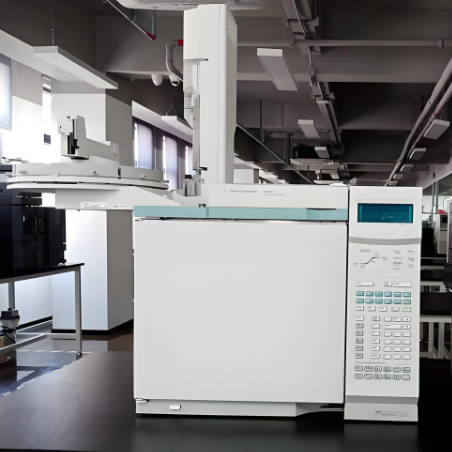
外墙砖检测
GB/T 4100-2015陶瓷砖
本标准规定了陶瓷砖的术语和定义、分类、性能、抽样和接收条件、要求和试验方法、标记和说明。本标准适用于由干压或挤压成型的陶瓷砖。本标准不适用于陶瓷配件砖。
GB/T 9195-2011建筑卫生陶瓷分类及术语
本标准规定了建筑卫生陶瓷的分类、术语和定义。本标准适用于建筑卫生陶瓷的设计、生产、质量检验、贸易、科学研究、教学等领域。
GB/T 37214-2018陶瓷外墙砖通用技术要求
本标准规定了陶瓷外墙砖的术语和定义、分类、技术要求、试验方法、检验规则、标志和说明、包装、贮存和运输。本标准适用于吸水率不大于6%的建筑物室外墙面保护及装饰用陶瓷外墙砖。
GB/T 41156-2021外墙砖用弹性胶粘剂
本文件规定了弹性胶粘剂的分类和命名、通用要求、试验条件和材料、试验方法、产品命名、标签和注意事项。本文件适用于外墙砖铺贴用的反应型树脂胶粘剂。
GB/T 50310-2018(条文说明)地下铁道工程施工标准 条文说明
随着经济的发展,地下铁道工程由原来的地下隧道,发展为地上和地下的城市轨道交通,其制式也多样化,本标准除不适用于“磁悬浮”“跨坐式”“直线电机”制式城市轨道交通外,也适用于其他制式的城市轻型轨道交通的施工。
CECS 376-2014改性无机粉复合建筑饰面片材应用技术规程
本规程适用于新建建筑和既有建筑中,采用改性无机粉复合建筑饰面片材的工程设计、施工及验收。
CECS 443-2016泡沫玻璃板薄抹灰外墙外保温工程技术规程
本规程适用于抗震设防烈度小于或等于8度地区,以混凝土或砌体为基层墙体的新建、扩建和改建民用建筑泡沫玻璃板薄抹灰外墙外保温工程的设计、施工及验收。
CECS 454-2016模块化蒸压加气混凝土轻钢复合保温墙体工程技术规程
本规程适用于100m及以下的抗震设防烈度为6、7、8度的工业及民用建筑和既有建筑改造,自承重外围护体系的模块化蒸压加气混凝土轻钢复合保温墙体的设计、加工制作与运输储存、安装施工、工程验收以及维护。
JC/T 982-2005砖瓦焙烧窑炉
本标准规定了砖瓦焙烧窑炉的术语和定义、分类、技术要求、检验方法、检验规则、质量评定、标志和标签以及包装、运输和贮存。 本标准适用于用于普通砖、多孔砖、空心砖、装饰砖和空心砌块等产品的烧结、烧成温度在1200℃以下的热工设备。其它类似工况的工业窑炉亦可参考使用。
JC/T 2195-2013薄型陶瓷砖
本标准规定了薄型陶瓷砖的术语和定义、分类、技术要求、试验方法、抽样和接收条件、标志和说明以及包装、运输和贮存等。本标准适用于吸水率不大于3%、表面积小于1.62 m<上标2>的薄型陶瓷砖。
JGJ/T 181-2009房屋建筑与市政基础设施工程检测分类标准
本标准适用于房屋建筑和市政基础设施工程检测的分类。
JGJ/T 277-2012红外热像法检测建筑外墙饰面粘结质量技术规程
本规程适用于建筑外墙采用满粘法施工的饰面层粘结质量检测,不适用于下列饰面层的粘结质量检测:1采用混色饰面砖或涂料,且影响检测结果判断的饰面层;2表面有较大凹凸装饰的饰面层。
RB/T 110-2014能源管理体系.建筑卫生陶瓷企业认证要求
本标准规定了建筑卫生陶瓷企业能源管理体系的认证要求。本标准适用于建筑卫生陶瓷企业的能源管理体系认证,可用于企业建立、实施、保持和改进其能源管理体系,也可作为各相关方评价企业能源管理体系的依据。其他陶瓷企业可参照使用本标准。
DL/T 5226-2013发电厂电力网络计算机监控系统设计技术规程
本标准适用于出线电压等级110(66)kV及以上的新建和改(扩)建发电厂电力网络计算机监控系统的设计。
ISO 14448-2016外墙砖面用低模量胶粘剂
This International Standard specifies a quality standard and test methods for a low modulus adhesive composed of chemical reaction resins and used for the installation of tiles to exterior walls.
ASTM C1060-2011a(2015)框架建筑包络腔中绝缘设施热成像检查的标准实施规程
5.1x00a0;Although infrared imaging systems have the potential to determine many factors concerning the thermal performance of a wall, roof, floor, or ceiling, the emphasis in this practice is on determining whether insulation is missing or whether an insulation installation is malfunctioning. Anomalous thermal images from other apparent causes are not required to be recorded; however, if recorded as supplemental information, their interpretation is capable of requiring procedures and techniques not presented in this practice. 1.1x00a0;This practice is a guide to the proper use of infrared imaging systems for conducting qualitative thermal inspections of building walls, ceilings, roofs, and floors, framed in wood or metal, that contain insulation in the spaces between framing members. This procedure allows the detection of cavities where insulation is inadequate or missing and allows identification of areas with apparently adequate insulation. 1.2x00a0;This practice offers reliable means for detecting suspected missing insulation. It also offers the possibility of detecting partial-thickness insulation, improperly installed insulation, or insulation damaged in service. Proof of missing insulation or a malfunctioning envelope requires independent validation. Validation techniques, such as visual inspection or in-situ R-value measurement, are beyond the scope of this practice. 1.3x00a0;This practice is limited to frame construction even though thermography is used on all building types. (ISO 6781) 1.4x00a0;Instrumentation and calibration required under a variety of environmental conditions are described. Instrumentation requirements and measurement procedures are considered for inspections from both inside and outside the structure. Each vantage point offers visual access to areas hidden from the other side. 1.5x00a0;The values stated in inch-pound units are to be regarded as standard. The values given in parentheses are mathematical conversions to SI units that are provided for information only and are not considered standard. 1.6x00a0;This standard does not purport to address all of the safety concerns, if any, associated with its use. It is the responsibility of the user of this standard to establish appropriate safety and health practices and determine the applicability of regulatory limitations prior to use. Specific precautionary statements are given in Note 1 and Note 3.
ASTM C1715-2010砌筑墙排水系统的漏水性评估的标准试验方法
This test method is suitable for use on walls to determine the ability of masonry wall drainage systems to collect water penetrating the exterior wythe and to direct this water back to the exterior surface of the exterior wythe. Removal of a portion of the interior wall finishes is desirable to observe leakage into backup walls. Even with removal of interior finishes, in many cases it is not practical to observe surfaces behind spandrel beams, columns, or other obstructions. Potential areas where leakage may occur but that are not visible during the test shall be considered when interpreting the results of the test and shall be recorded in the report. This test method is suitable for use on mock-up walls to determine the performance of masonry wall drainage systems. This test method is suitable for evaluating the effectiveness of flashing repairs.1.1 This test method describes a standard procedure for determining the ability of masonry wall drainage systems to collect water that penetrates the exterior masonry wythe during rainstorms and to direct this water back to the exterior surface of the wall. 1.2 This test method is applicable to wall systems that contain an exterior masonry wythe with a drainage zone on the interior face of the exterior wythe. It is not applicable to single-wythe drainage walls. 1.3 This test method is not applicable to masonry barrier walls or other masonry walls that are designed without drainage zones behind the exterior wythe. 1.4 The values stated in inch-pound units are to be regarded as standard. The values given in parentheses are mathematical conversions to SI units that are provided for information only and are not considered standard. 1.5 This standard does not purport to address all of the safety concerns, if any, associated with its use. It is the responsibility of the user of this standard to establish appropriate safety and health practices and determine the applicability of regulatory limitations prior to use.
ASTM C1715/C1715M-2015评估砌筑墙排水系统漏水性能的标准试验方法
5.1x00a0;This test method is suitable for use on walls to determine the ability of masonry wall drainage systems to collect water penetrating the exterior wythe and to direct this water back to the exterior surface of the exterior wythe. Removal of a portion of the interior wall finishes is desirable to observe leakage into backup walls. Even with removal of interior finishes, in many cases it is not practical to observe surfaces behind spandrel beams, columns, or other obstructions. Potential areas where leakage may occur but that are not visible during the test shall be considered when interpreting the results of the test and shall be recorded in the report. 5.2x00a0;This test method is suitable for use on mock-up walls to determine the performance of masonry wall drainage systems. 5.3x00a0;This test method is suitable for evaluating the effectiveness of flashing repairs. 1.1x00a0;This test method describes a standard procedure for determining the ability of masonry wall drainage systems to collect water that penetrates the exterior masonry wythe during rainstorms and to direct this water back to the exterior surface of the wall. 1.2x00a0;This test method is applicable to wall systems that contain an exterior masonry wythe with a drainage zone on the interior face of the exterior wythe. It is not applicable to single-wythe drainage walls. 1.3x00a0;This test method is not applicable to masonry barrier walls or other masonry walls that are designed without drainage zones behind the exterior wythe. 1.4x00a0;This test method covers the application of the testing using either inch-pound or SI units. The values stated in either SI units or inch-pound units are to be regarded separately as standard. Within the text, the inch-pound units are shown in brackets. The values stated in each system may not be exact equivalents; therefore, each system shall be used independently of the other. Combining values from the two systems may result in nonconformance with the standard. 1.5x00a0;This standard does not purport to address all of the safety concerns, if any, associated with its use. It is the responsibility of the user of this standard to establish appropriate safety and health practices and determine the applicability of regulatory limitations prior to use.