
油井水泥外加剂 减阻剂检测
GB/T 19139-2012油井水泥试验方法
本标准规定了油井水泥应用性能的试验方法和有关参数的计算,对于水泥石抗压强度试验和水泥浆稠化时间试验,还给出了具有代表性的试验方案。本标准适用于油、气井注水泥作业用油井水泥浆的设计和性能评价,油井水泥浆可基于(但不限于)GB 10238规定的油井水泥级别和类型。
GB/T 28911-2012石油天然气钻井工程术语
本标准规定了石油天然气钻井工程专用的术语。本标准适用于石油天然气钻井工程领域,也适用于石油天然气工业的其他领域。
CECS 246-2008给水排水工程顶管技术规程
本规程主要适用于DN800以上使用顶管机顶进的给水排水工程顶管工程的设计、施工和验收,小直径顶管工程和非给水排水工程的顶管工程也可参照使用。
SY/T 5504.1-2013油井水泥外加剂评价方法第1部分:缓凝剂
SY/T 5504的本部分规定了油气井注水泥作业用油井水泥缓凝剂的性能要求、评价方法及评价报告。本部分适用于油气井注水泥作业用油井水泥缓凝剂的评价。
SY/T 5504.2-2013油井水泥外加剂评价方法第2部分:降 失水剂
SY/T 5504的本部分规定了油气井注水泥作业用油井水泥降失水剂的性能要求、评价方法及评价报告。本部分适用于油气井注水泥作业用油井水泥降失水剂的评价。
SY/T 5504.3-2018油井水泥外加剂评价方法 第3部分:减阻剂
SY/T 5504的本部分规定了油气井注水泥作业用油井水泥减阻剂的性能要求、试验方法以及评价报告。本部分适用于油气井注水泥作业用油井水泥减阻剂的评价。
SY/T 5504.7-2010油井水泥外加剂评价方法 第7部分:加重剂
SY/T 5504的本部分规定了油井水泥加重剂的性能要求、试验方法以及评价报告。本部分适用于油井水泥加重剂的评价。
SY/T 5504.8-2013油井水泥外加剂评价方法第8部分:膨胀剂
SY/T 5504的本部分规定了油、气井注水泥作业用油井水泥膨胀剂的性能要求、评价方法及评价报告。本部分适用于油、气井注水泥作业用油井水泥膨胀剂的评价。
DZ/T 0260-2014地热钻探技术规程
本标准规定了地热钻探设备选择、钻探工艺、成井工艺、工程质量、安全施工、职业健康及环境保护等技术工作要求,可作为地热钻探设计、施工、管理等各项工作的依据。本标准适用于勘探或开发地热蒸汽和地热水的钻探工作。
TB 10014-2012铁路工程地质钻探规程
本规程适用于铁路工程地质、水文地质钻探及物探测井、孔内测试钻孔的钻探工作。
ASTM C494/C494M-2005a混凝土用化学外加剂标准规范
1.1 This specification covers materials for use as chemical admixtures to be added to hydraulic-cement concrete mixtures in the field for the purpose or purposes indicated for the seven types as follows:1.1.1 Type A8212;Water-reducing admixtures,1.1.2 Type B8212;Retarding admixtures,1.1.3 Type C8212;Accelerating admixtures,1.1.4 Type D8212;Water-reducing and retarding admixtures,1.1.5 Type E8212;Water-reducing and accelerating admixtures,1.1.6 Type F8212;Water-reducing, high range admixtures, and1.1.7 Type G8212;Water-reducing, high range, and retarding admixtures.1.2 This specification stipulates tests of an admixture with suitable concreting materials as described in 11.1-11.3 or with cement, pozzolan, aggregates, and an air-entraining admixture proposed for specific work (11.4). Unless specified otherwise by the purchaser, the tests shall be made using concreting materials as described in 11.1-11.3. Note 18212;It is recommended that, whenever practicable, tests be made using the cement, pozzolan, aggregates, air-entraining admixture, and the mixture proportions, batching sequence, and other physical conditions proposed for the specific work (11.4) because the specific effects produced by chemical admixtures may vary with the properties and proportions of the other ingredients of the concrete. For instance, Types F and G admixtures may exhibit much higher water reduction in concrete mixtures having higher cement factors than that listed in 12.1.1.Mixtures having a high range water reduction generally display a higher rate of slump loss. When high-range admixtures are used to impart increased workability (6 to 8-in. slump [150 to 200-mm]), the effect may be of limited duration, reverting to the original slump in 30 to 60 min depending on factors normally affecting rate of slump loss. The use of chemical admixtures to produce high-slump (flowing) concrete is covered by Specification C 1017.Note 28212;The purchaser should ensure that the admixture supplied for use in the work is equivalent in composition to the admixture subjected to test under this specification (see Section 6, Uniformity and Equivalence).Note 38212;Admixtures that contain relatively large amounts of chloride may accelerate corrosion of prestressing steel. Compliance with the requirements of this specification does not constitute assurance of acceptability of the admixture for use in prestressed concrete.1.3 This specification provides for three levels of testing.1.3.1 Level 18212;During the initial approval stage, proof of compliance with the performance requirements defined in Table 1 demonstrates that the admixture meets the requirements of this specification. Admixtures (except for Types B, C, and E) shall qualify for provisional compliance when the alternative compressive strength requirements in Table 1 are met. If subsequent test results at 6 months or one year fail to meet the standard requirement of 100 % of reference strength, the compliance of the admixture to this standard is withdrawn and all users of the admixture shall be notified immediately. Uniformity and equivalence tests of Section 6 shall be carried out to provide results against which later comparisons can be made (See Note 4).Note 0&38212;Allowing for provisional compliance while retaining longer term compressive strength requirements promotes more rapid qualification of new materials, but also provides assurance that new admixture technologies will not exhibit unexpected longer term performance. The alternative compressive strength requirements in are based on statistical analysis of 103 Specification C 494/C 494M evaluation tests. The alternative requirements correspond to a 99 % probability of passing subsequent test age requirements.1.3.2 Level 28212;Limited retesting is descr
ASTM C494/C494M-2008混凝土化学外加剂标准规范
1.1 This specification covers materials for use as chemical admixtures to be added to hydraulic-cement concrete mixtures in the field for the purpose or purposes indicated for the seven types as follows: 1.1.1 Type A8212;Water-reducing admixtures, 1.1.2 Type B8212;Retarding admixtures, 1.1.3 Type C8212;Accelerating admixtures, 1.1.4 Type D8212;Water-reducing and retarding admixtures, 1.1.5 Type E8212;Water-reducing and accelerating admixtures, 1.1.6 Type F8212;Water-reducing, high range admixtures, and 1.1.7 Type G8212;Water-reducing, high range, and retarding admixtures. 1.2 This specification stipulates tests of an admixture with suitable concreting materials as described in 11.1-11.3 or with cement, pozzolan, aggregates, and an air-entraining admixture proposed for specific work (11.4). Unless specified otherwise by the purchaser, the tests shall be made using concreting materials as described in 11.1-11.3. Note 18212;It is recommended that, whenever practicable, tests be made using the cement, pozzolan, aggregates, air-entraining admixture, and the mixture proportions, batching sequence, and other physical conditions proposed for the specific work (11.4) because the specific effects produced by chemical admixtures may vary with the properties and proportions of the other ingredients of the concrete. For instance, Types F and G admixtures may exhibit much higher water reduction in concrete mixtures having higher cement factors than that listed in 12.1.1. Mixtures having a high range water reduction generally display a higher rate of slump loss. When high-range admixtures are used to impart increased workability (6 to 8-in. slump [150 to 200x2013;mm]), the effect may be of limited duration, reverting to the original slump in 30 to 60 min depending on factors normally affecting rate of slump loss. The use of chemical admixtures to produce high-slump (flowing) concrete is covered by Specification C 1017. Note 28212;The purchaser should ensure that the admixture supplied for use in the work is equivalent in composition to the admixture subjected to test under this specification (see Section 6, Uniformity and Equivalence). Note 38212;Admixtures that contain relatively large amounts of chloride may accelerate corrosion of prestressing steel. Compliance with the requirements of this specification does not constitute assurance of acceptability of the admixture for use in prestressed concrete. 1.3 This specification provides for three levels of testing. 1.3.1 Level 18212;During the initial approval stage, proof of compliance with the performance requirements defined in Table 1 demonstrates that the admixture meets the requirements of this specification. Admixtures (except for Types B, C, and E) shall qualify for provisional compliance when the physical requirements and any of the alternative compressive strength requirements in Table 1 are met. If subsequent test results at 6 months or one year fail to meet the standard requirement of 100 % of reference strength, the compliance of the admixture to this standard is withdrawn and all users
ASTM C494/C494M-2008a混凝土化学外加剂标准规范
1.1 This specification covers materials for use as chemical admixtures to be added to hydraulic-cement concrete mixtures in the field for the purpose or purposes indicated for the eight types as follows: 1.1.1 Type A8212;Water-reducing admixtures, 1.1.2 Type B8212;Retarding admixtures, 1.1.3 Type C8212;Accelerating admixtures, 1.1.4 Type D8212;Water-reducing and retarding admixtures, 1.1.5 Type E8212;Water-reducing and accelerating admixtures, 1.1.6 Type F8212;Water-reducing, high range admixtures, 1.1.7 Type G8212;Water-reducing, high range, and retarding admixtures, and 1.1.8 Type S8212;Specific performance admixtures. 1.2 This specification stipulates tests of an admixture with suitable concreting materials as described in 11.1-11.3 or with cement, pozzolan, aggregates, and an air-entraining admixture proposed for specific work (11.4). Unless specified otherwise by the purchaser, the tests shall be made using concreting materials as described in 11.1-11.3. Note 18212;It is recommended that, whenever practicable, tests be made using the cement, pozzolan, aggregates, air-entraining admixture, and the mixture proportions, batching sequence, and other physical conditions proposed for the specific work (11.4) because the specific effects produced by chemical admixtures may vary with the properties and proportions of the other ingredients of the concrete. For instance, Types F and G admixtures may exhibit much higher water reduction in concrete mixtures having higher cement factors than that listed in 12.1.1. Mixtures having a high range water reduction generally display a higher rate of slump loss. When high-range admixtures are used to impart increased workability (6 to 8-in. slump [150 to 200x2013;mm]), the effect may be of limited duration, reverting to the original slump in 30 to 60 min depending on factors normally affecting rate of slump loss. The use of chemical admixtures to produce high-slump (flowing) concrete is covered by Specification C 1017. Note 28212;The purchaser should ensure that the admixture supplied for use in the work is equivalent in composition to the admixture subjected to test under this specification (see Section 6, Uniformity and Equivalence). Note 38212;Admixtures that contain relatively large amounts of chloride may accelerate corrosion of prestressing steel. Compliance with the requirements of this specification does not constitute assurance of acceptability of the admixture for use in prestressed concrete. 1.3 This specification provides for three levels of testing. 1.3.1 Level 18212;During the initial approval stage, proof of compliance with the performance requirements defined in Table 1 demonstrates that the admixture meets the requirements of this specification. Admixtures (except for Types B, C, E, and S) shall qualify for provisional compliance when the physical requirements and any of the alternative compressive strength requirements in Table 1 are met. If subsequent test results at 6 months or one year fail to meet the st
ASTM C494/C494M-2010混凝土用化学添加剂的标准规范
1.1 This specification covers materials for use as chemical admixtures to be added to hydraulic-cement concrete mixtures in the field for the purpose or purposes indicated for the eight types as follows: 1.1.1 Type A8212;Water-reducing admixtures, 1.1.2 Type B8212;Retarding admixtures, 1.1.3 Type C8212;Accelerating admixtures, 1.1.4 Type D8212;Water-reducing and retarding admixtures, 1.1.5 Type E8212;Water-reducing and accelerating admixtures, 1.1.6 Type F8212;Water-reducing, high range admixtures, 1.1.7 Type G8212;Water-reducing, high range, and retarding admixtures, and 1.1.8 Type S8212;Specific performance admixtures. 1.2 This specification stipulates tests of an admixture with suitable concreting materials as described in 11.1-11.3 or with cement, pozzolan, aggregates, and an air-entraining admixture proposed for specific work (11.4). Unless specified otherwise by the purchaser, the tests shall be made using concreting materials as described in 11.1-11.3. Note 18212;It is recommended that, whenever practicable, tests be made using the cement, pozzolan, aggregates, air-entraining admixture, and the mixture proportions, batching sequence, and other physical conditions proposed for the specific work (11.4) because the specific effects produced by chemical admixtures may vary with the properties and proportions of the other ingredients of the concrete. For instance, Types F and G admixtures may exhibit much higher water reduction in concrete mixtures having higher cement factors than that listed in 12.1.1. Mixtures having a high range water reduction generally display a higher rate of slump loss. When high-range admixtures are used to impart increased workability (6 to 8-in. slump [150 to 200x2013;mm]), the effect may be of limited duration, reverting to the original slump in 30 to 60 min depending on factors normally affecting rate of slump loss. The use of chemical admixtures to produce high-slump (flowing) concrete is covered by Specification C1017/C1017M. Note 28212;The purchaser should ensure that the admixture supplied for use in the work is equivalent in composition to the admixture subjected to test under this specification (see Section 6, Uniformity and Equivalence). Note 38212;Admixtures that contain relatively large amounts of chloride may accelerate corrosion of prestressing steel. Compliance with the requirements of this specification does not constitute assurance of acceptability of the admixture for use in prestressed concrete. 1.3 This specification provides for three levels of testing. 1.3.1 Level 18212;During the initial approval stage, proof of compliance with the performance requirements defined in Table 1 demonstrates that the admixture meets the requirements of this specification. Admixtures (except for Types B, C, E, and S) shall qualify for provisional compliance when the physical requirements and any of the alternative compressi
ASTM C494/C494M-2010a混凝土用化学添加剂的标准规格
1.1 This specification covers materials for use as chemical admixtures to be added to hydraulic-cement concrete mixtures in the field for the purpose or purposes indicated for the eight types as follows: 1.1.1 Type A8212;Water-reducing admixtures, 1.1.2 Type B8212;Retarding admixtures, 1.1.3 Type C8212;Accelerating admixtures, 1.1.4 Type D8212;Water-reducing and retarding admixtures, 1.1.5 Type E8212;Water-reducing and accelerating admixtures, 1.1.6 Type F8212;Water-reducing, high range admixtures, 1.1.7 Type G8212;Water-reducing, high range, and retarding admixtures, and 1.1.8 Type S8212;Specific performance admixtures. 1.2 This specification stipulates tests of an admixture with suitable concreting materials as described in 11.1-11.3 or with cement, pozzolan, aggregates, and an air-entraining admixture proposed for specific work (11.4). Unless specified otherwise by the purchaser, the tests shall be made using concreting materials as described in 11.1-11.3. Note 18212;It is recommended that, whenever practicable, tests be made using the cement, pozzolan, aggregates, air-entraining admixture, and the mixture proportions, batching sequence, and other physical conditions proposed for the specific work (11.4) because the specific effects produced by chemical admixtures may vary with the properties and proportions of the other ingredients of the concrete. For instance, Types F and G admixtures may exhibit much higher water reduction in concrete mixtures having higher cement factors than that listed in 12.1.1.
ASTM C494/C494M-2011混凝土用化学添加剂的标准规范
1.1 This specification covers materials for use as chemical admixtures to be added to hydraulic-cement concrete mixtures in the field for the purpose or purposes indicated for the eight types as follows: 1.1.1 Type A8212;Water-reducing admixtures, 1.1.2 Type B8212;Retarding admixtures, 1.1.3 Type C8212;Accelerating admixtures, 1.1.4 Type D8212;Water-reducing and retarding admixtures, 1.1.5 Type E8212;Water-reducing and accelerating admixtures, 1.1.6 Type F8212;Water-reducing, high range admixtures, 1.1.7 Type G8212;Water-reducing, high range, and retarding admixtures, and 1.1.8 Type S8212;Specific performance admixtures. 1.2 This specification stipulates tests of an admixture with suitable concreting materials as described in 11.1-11.3 or with cement, pozzolan, aggregates, and an air-entraining admixture proposed for specific work (11.4). Unless specified otherwise by the purchaser, the tests shall be made using concreting materials as described in 11.1-11.3. Note 18212;It is recommended that, whenever practicable, tests be made using the cement, pozzolan, aggregates, air-entraining admixture, and the mixture proportions, batching sequence, and other physical conditions proposed for the specific work (11.4) because the specific effects produced by chemical admixtures may vary with the properties and proportions of the other ingredients of the concrete. For instance, Types F and G admixtures may exhibit much higher water reduction in concrete mixtures having higher cement factors than that listed in 12.1.1. Mixtures having a high range water reduction generally display a higher rate of slump loss. When high-range admixtures are used to impart increased workability (6 to 8-in. slump [150 to 200x2013;mm]), the effect may be of limited duration, reverting to the original slump in 30 to 60 min depending on factors normally affecting rate of slump loss. The use of chemical admixtures to produce high-slump (flowing) concrete is covered by Specification C1017/C1017M. Note 28212;The purchaser should ensure that the admixture supplied for use in the work is equivalent in composition to the admixture subjected to test under this specification (see Section 6, Uniformity and Equivalence). Note 38212;Admixtures that contain relatively large amounts of chloride may accelerate corrosion of prestressing steel. Compliance with the requirements of this specification does not constitute assurance of acceptability of the admixture for use in prestressed concrete. 1.3 This specification provides for three levels of testing. 1.3.1 Level 18212;During the initial approval stage, proof of compliance with the performance requirements defined in Table 1 demonstrates that the admixture meets the requirements of this specification. Admixtures (except for Types B, C, E, and S) shall qualify for provisional compliance when the physical requirements and any of the alternative compressi
ASTM C494/C494M-2012混凝土用化学添加剂的标准规范
1.1 This specification covers materials for use as chemical admixtures to be added to hydraulic-cement concrete mixtures in the field for the purpose or purposes indicated for the eight types as follows: 1.1.1 Type A8212;Water-reducing admixtures, 1.1.2 Type B8212;Retarding admixtures, 1.1.3 Type C8212;Accelerating admixtures, 1.1.4 Type D8212;Water-reducing and retarding admixtures, 1.1.5 Type E8212;Water-reducing and accelerating admixtures, 1.1.6 Type F8212;Water-reducing, high range admixtures, 1.1.7 Type G8212;Water-reducing, high range, and retarding admixtures, and 1.1.8 Type S8212;Specific performance admixtures. 1.2 This specification stipulates tests of an admixture with suitable concreting materials as described in 11.1-11.3 or with cement, pozzolan, aggregates, and an air-entraining admixture proposed for specific work (11.4). Unless specified otherwise by the purchaser, the tests shall be made using concreting materials as described in 11.1-11.3. Note 18212;It is recommended that, whenever practicable, tests be made using the cement, pozzolan, aggregates, air-entraining admixture, and the mixture proportions, batching sequence, and other physical conditions proposed for the specific work (11.4) because the specific effects produced by chemical admixtures may vary with the properties and proportions of the other ingredients of the concrete. For instance, Types F and G admixtures may exhibit much higher water reduction in concrete mixtures having higher cement factors than that listed in 12.1.1. Mixtures having a high range water reduction generally display a higher rate of slump loss. When high-range admixtures are used to impart increased workability (6 to 8-in. slump [150 to 200x2013;mm]), the effect may be of limited duration, reverting to the original slump in 30 to 60 min depending on factors normally affecting rate of slump loss. The use of chemical admixtures to produce high-slump (flowing) concrete is covered by Specification C1017/C1017M. Note 28212;The purchaser should ensure that the admixture supplied for use in the work is equivalent in composition to the admixture subjected to test under this specification (see Section 6, Uniformity and Equivalence). Note 38212;Admixtures that contain relatively large amounts of chloride may accelerate corrosion of prestressing steel. Compliance with the requirements of this specification does not constitute assurance of acceptability of the admixture for use in prestressed concrete. 1.3 This specification provides for three levels of testing. 1.3.1 Level 18212;During the initial approval stage, proof of compliance with the performance requirements defined in Table 1 demonstrates that the admixture meets the requirements of this specification. Admixtures (except for Types B, C, E, and S) shall qualify for provisional compliance when the physical requirements and any of the alternative compressive strength require
ASTM C494/C494M-2013混凝土用化学添加剂标准规格
1.1x00a0;This specification covers materials for use as chemical admixtures to be added to hydraulic-cement concrete mixtures in the field for the purpose or purposes indicated for the eight types as follows: 1.1.1x00a0;Type Ax2014;Water-reducing admixtures, 1.1.2x00a0;Type Bx2014;Retarding admixtures, 1.1.3x00a0;Type Cx2014;Accelerating admixtures, 1.1.4x00a0;Type Dx2014;Water-reducing and retarding admixtures, 1.1.5x00a0;Type Ex2014;Water-reducing and accelerating admixtures, 1.1.6x00a0;Type Fx2014;Water-reducing, high range admixtures, 1.1.7x00a0;Type Gx2014;Water-reducing, high range, and retarding admixtures, and 1.1.8x00a0;Type Sx2014;Specific performance admixtures. 1.2x00a0;This specification stipulates tests of an admixture with suitable concreting materials as described in 11.1-11.3 or with cement, pozzolan, aggregates, and an air-entraining admixture proposed for specific work (11.4). Unless specified otherwise by the purchaser, the tests shall be made using concreting materials as described in 11.1-11.3. Note 1x2014;It is recommended that, whenever practicable, tests be made using the cement, pozzolan, aggregates, air-entraining admixture, and the mixture proportions, batching sequence, and other physical conditions proposed for the specific work (11.4) because the specific effects produced by chemical admixtures may vary with the properties and proportions of the other ingredients of the concrete. For instance, Types F and G admixtures may exhibit much higher water reduction in concrete mixtures having higher cement factors than that listed in 12.1.1. Mixtures having a high range water reduction generally display a higher rate of slump loss. When high-range admixtures are used to impart increased workability (6 to 8-in. slump [150 to 200x2013;mm]), the effect may be of limited duration, reverting to the original slump in 30 to 60 min depending on factors normally affecting rate of slump loss. The use of chemical admixtures to produce high-slump (flowing) concrete is covered by Specification C1017/C1017M.
1.1x00a0;This specification covers materials for use as chemical admixtures to be added to hydraulic-cement concrete mixtures in the field for the purpose or purposes indicated for the eight types as follows: 1.1.1x00a0;Type Ax2014;Water-reducing admixtures, 1.1.2x00a0;Type Bx2014;Retarding admixtures, 1.1.3x00a0;Type Cx2014;Accelerating admixtures, 1.1.4x00a0;Type Dx2014;Water-reducing and retarding admixtures, 1.1.5x00a0;Type Ex2014;Water-reducing and accelerating admixtures, 1.1.6x00a0;Type Fx2014;Water-reducing, high range admixtures, 1.1.7x00a0;Type Gx2014;Water-reducing, high range, and retarding admixtures, and 1.1.8x00a0;Type Sx2014;Specific performance admixtures. 1.2x00a0;This specification stipulates tests of an admixture with suitable concreting materials as described in 11.1 x2013; 11.3 or with cement, pozzolan, aggregates, and an air-entraining admixture proposed for specific work (11.4). Unless specified otherwise by the purchaser, the tests shall be made using concreting materials as described in 11.1 x2013; 11.3. Note 1:x00a0;It is recommended that, whenever practicable, tests be made using the cement, pozzolan, aggregates, air-entraining admixture, and the mixture proportions, batching sequence, and other physical conditions proposed for the specific work (11.4) because the specific effects produced by chemical admixtures may vary with the properties and proportions of the other ingredients of the concrete. For instance, Types F and G admixtures may exhibit much higher water reduction in concrete mixtures having higher cement factors than that listed in 12.1.1. Mixtures having a high range water reduction generally display a higher rate of slump loss. When high-range admixtures are used to impart increased workability (6 to 8-in. slump [150 to 200x2013;mm]), the effect may be of limited duration, reverting to the original slump in 30 to 60 min depending on factors normally affecting rate of slump loss. The use of chemical admixtures to produce high-slump (flowing) concrete is covered by Specification C1017/C1017M. 1.1x00a0;This specification covers materials for use as chemical admixtures to be added to hydraulic-cement concrete mixtures in the field for the purpose or purposes indicated for the eight types as follows: 1.1.1x00a0;Type Ax2014;Water-reducing admixtures, 1.1.2x00a0;Type Bx2014;Retarding admixtures, 1.1.3x00a0;Type Cx2014;Accelerating admixtures, 1.1.4x00a0;Type Dx2014;Water-reducing and retarding admixtures, 1.1.5x00a0;Type Ex2014;Water-reducing and accelerating admixtures, 1.1.6x00a0;Type Fx2014;Water-reducing, high range admixtures, 1.1.7x00a0;Type Gx2014;Water-reducing, high range, and retarding admixtures, and 1.1.8x00a0;Type Sx2014;Specific performance admixtures. 1.2x00a0;This specification stipulates tests of an admixture with suitable concreting materials as described in 11.1 x2013; 11.3 or with cement, pozzolan, aggregates, and an air-entraining admixture proposed for specific work (11.4). Unless specified otherwise by the purchaser, the tests shall be made using concreting materials as described in 11.1 x2013; 11.3. Note 1:x00a0;It is recommended that, whenever practicable, tests be made using the cement, pozzolan, aggregates, air-entraining admixture, and the mixture proportions, batching sequence, and other physical conditions proposed for the specific work (11.4) because the specific effects produced by chemical admixtures may vary with the properties and proportions of the other ingredients of the concrete. For instance, Types F and G admixtures may exhibit much higher water reduction in concrete mixtures having higher cement factors than that listed in 12.1.1. Mixtures having a high range water reduction generally display a higher rate of slump loss. When high-range admixtures are used to impart increased workability (6 to 8-in. slump [150 to 200x2013;mm]), the effect may be of limited duration, reverting to the original slump in 30 to 60 min depending on factors normally affecting rate of slump loss. The use of chemical admixtures to produce high-slump (flowing) concrete is covered by Specification C1017/C1017M. 了解更多检测知识 建筑产品和建筑构件I-隔热性分级检测,以标准升温曲线模拟火灾热负荷,测量试件背火面平均温升与最高温升,据此判定隔热时间并划分隔热等级。检测涵盖墙体、楼板、门窗及封堵构件等产品,试件安装须与工程实际一致,试验依托耐火试验炉与热电偶测温系统完成,结果用于产品型式检验与工程验收。 体育用品外部和内部接线检测针对电动跑步机、电控健身器械等带电运动器材,涵盖导线截面积核验、软线固定装置拉力与扭矩试验、内部布线检查、绝缘电阻及电气强度测试等模块,用于识别导线松脱、绝缘失效与接地中断隐患,服务产品定型验证与质量管控。 儿童使用的电池充电器检测依据电池充电器安全标准附录AA执行,围绕防触电结构、表面温升、标记耐久性与非正常工作等维度考核产品在儿童使用场景下的安全性。本文介绍其检测原理、适用范围、样品制备、试验项目、判定指标与送检要点,供企业与送检人员参考。 集装袋塑料编织袋密度检测以浸渍法与称重法为核心,基于阿基米德原理测定试样密度。文章按裁样规范、状态调节、测定操作、结果判定与标准适用场景逐步展开,说明密度数据如何用于材质鉴别、再生料掺混筛查及批次一致性评估,供质量管控与送检参考。 水性聚氨酯合成革拉伸负荷和断裂伸长率检测依据合成革类产品国家标准,采用哑铃形试样经状态调节后,在电子万能试验机上按规定的试验速度施加轴向拉伸至断裂。检测覆盖样品制备、设备参数设置、结果计算与重复性评价,经向与纬向结果分别与限值比较,据此判定产品力学性能是否合格。 电气安装用阻燃PVC塑料平导管燃烧性能烟密度试验依据光衰减原理,在密闭烟箱内以辐射与点火方式引燃试样,连续记录透光率变化并计算最大比光密度。本文系统介绍试验装置、样品制备与状态调节、测定要点、性能指标判定及送检要求,为导管质量验收与工程复验提供方法参考。 选择中析研究所的八大理由 旗下实验室依法依规开展检测,报告科学公正,获监管与客户广泛认可。 上千台精密仪器定期检定校准,量值溯源体系完善。 多领域技术专家,十年以上经验,破解各类疑难检测。 覆盖GB、行标及ISO、ASTM等国际标准,可定制方案。 常规项目7-10个工作日出报告,流程标准高效。 支持加急检测通道,助力客户快速完成质量把关。 工程师全程对接,需求沟通到报告解读全流程陪伴。 严格保密制度,客户样品与检测数据安全无忧。 旗下实验室权威认证 · 公信检测 · 点击查看原图 1000余台精密设备 · 点击查看原图 复杂有机组分的定性鉴定与未知物剖析利器。 食品添加剂、药品成分等热敏物质的精准检测。 一次进样同时读出数十种金属元素含量。 通过特征吸收峰快速判断材料种类与分子结构。 几分钟完成元素快检,且不损伤样品。 放大数十万倍观察表面微观结构,锁定失效根源。 农兽药残留等痕量物质的高灵敏确证检测。 溶剂残留、香气成分等挥发性物质的专业检测。 检测需求不知从何入手?立即联系在线工程师,一对一解答检测疑问,免费获取检测方案与报价。ASTM C494/C494M-2015混凝土用化学外加剂的标准规格
ASTM C494/C494M-2015a混凝土用化学外加剂的标准规格
相关阅读
建筑产品和建筑构件I-隔热性分级检测
体育用品外部和内部接线检测
电池充电器附录AA 儿童使用的电池充电器检测
集装袋塑料编织袋密度检测
水性聚氨酯合成革拉伸负荷和断裂伸长率检测
电气安装用阻燃PVC塑料平导管燃烧性能(烟密度试验方法)检测
我们的优势
资质齐全
设备先进
专家团队
标准覆盖广
周期短
加急服务
一对一服务
数据保密
荣誉资质
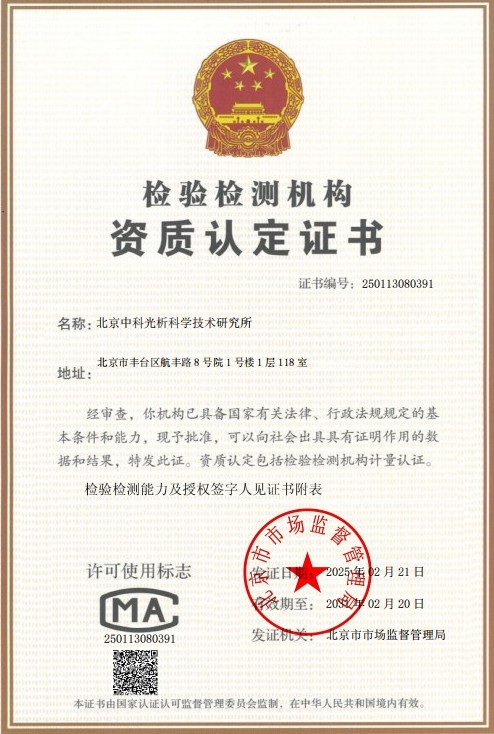
CMA检验检测机构资质认定证书
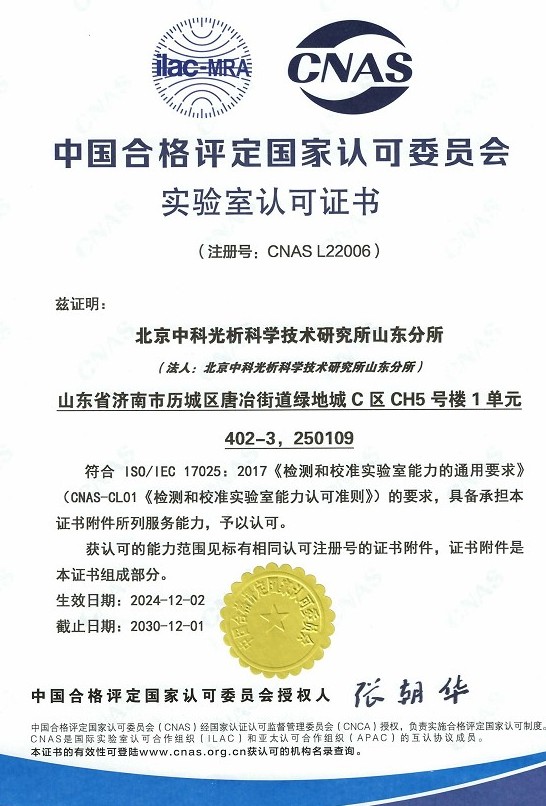
CNAS实验室认可证书
ISO管理体系认证证书
高新技术企业证书

中国分析测试协会会员单位
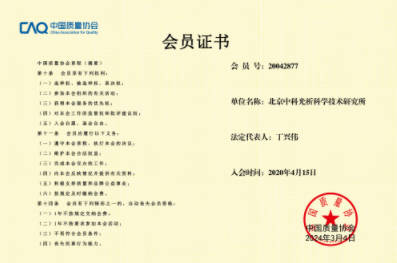
中国质量协会会员证书
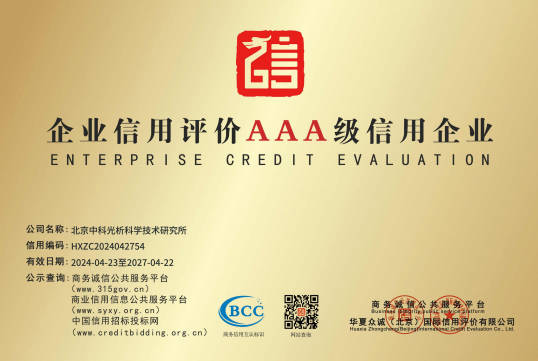
AAA级信用企业
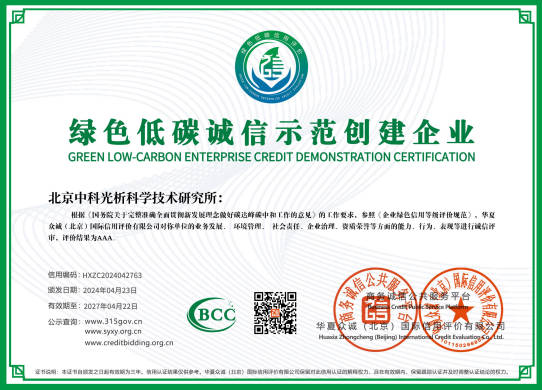
绿色低碳诚信示范创建企业
仪器设备
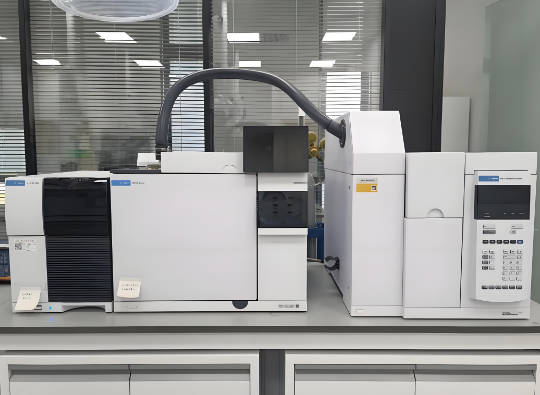
气相色谱-质谱联用仪 GC-MS
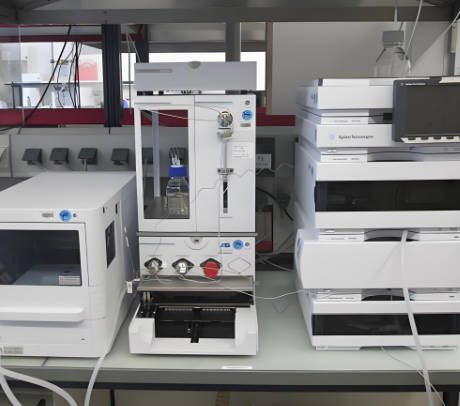
高效液相色谱仪 HPLC
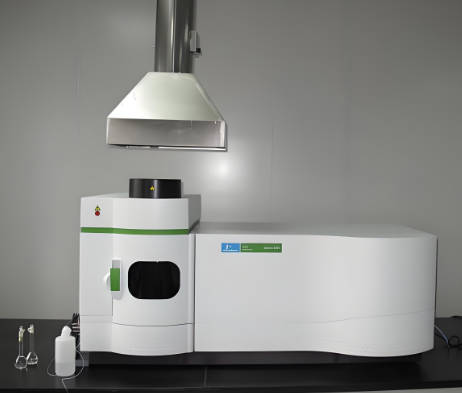
电感耦合等离子体发射光谱仪 ICP-OES
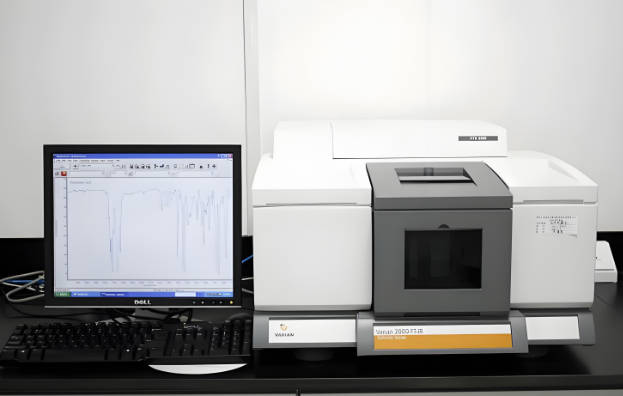
傅里叶变换红外光谱仪 FTIR
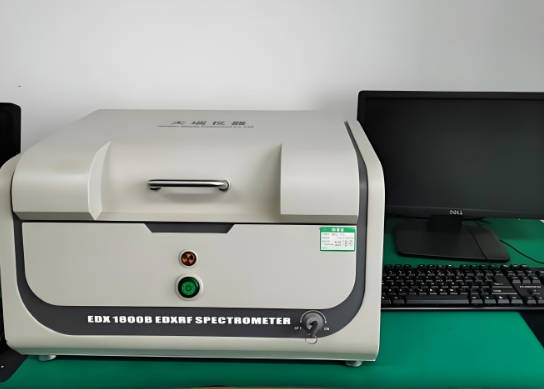
X射线荧光光谱仪 XRF
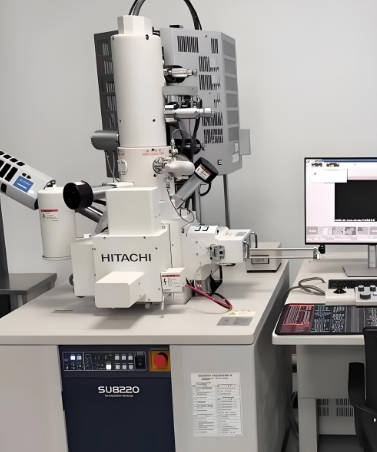
扫描电子显微镜 SEM
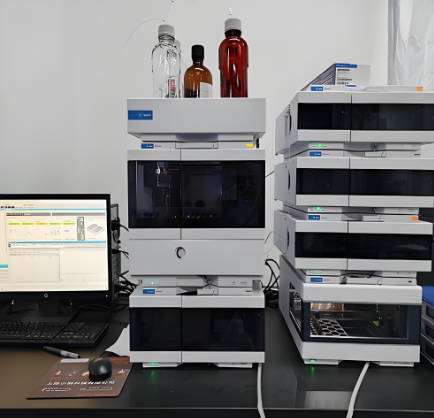
液相色谱-质谱联用仪 LC-MS
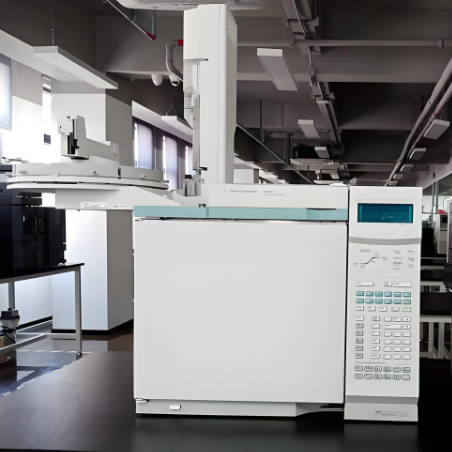
气相色谱仪 GC
在线工程师 一对一服务
 NEW · 全新上线
VR实验室上线啦!
720°全景实景观览 · 足不出户走进实验室
立即体验
检测咨询 · 立即在线沟通
NEW · 全新上线
VR实验室上线啦!
720°全景实景观览 · 足不出户走进实验室
立即体验
检测咨询 · 立即在线沟通