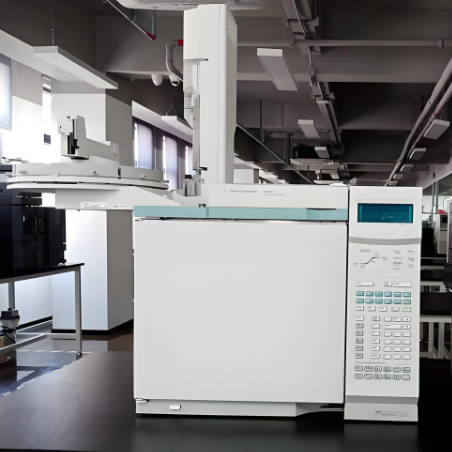
户外液化石油气燃气烤炉检测
GB 16410-2020家用燃气灶具
本标准规定了家用燃气灶具的术语和定义、产品分类、要求、试验方法、标志、包装。本标准适用于使用城镇燃气的家用燃气灶具及使用城镇燃气和电能的家用气电两用灶具,包括:a) 单个燃烧器额定热负荷≤5.23 kW的燃气灶;b) 额定热负荷≤5.82 kW的燃气烤箱和燃气烘烤器;c) 额定热负荷符合a)、b)规定的燃气烤箱灶和燃气烘烤灶;d) 每次焖饭的大稻米量≤4 L、额定热负荷≤4.19 kW的燃气饭锅;e) 额定热负荷符合a)、b)、d)规定、电的总额定输入功率≤5.00 kW的气电两用灶具;f) 额定热负荷符合a)、e)规定的集成灶;g) 使用充气量不大于15 kg的液化石油气储气罐供气,总热负荷不大于35 kW的家用户外燃气烤炉(以下简称燃气烤炉)。
CJJ 94-2009城镇燃气室内工程施工与质量验收规范
为统一城镇燃气室内工程的施工与质量验收,保证城镇燃气室内工程的施工质量,确保安全供气,制定本规范。本规范适用于供气压小于或等于0.8MPa(表压)的新建、扩建和改建的城镇居民住宅、商业用户、燃气锅炉房(不含锅炉本体)、实验室、工业企业(不含用气设备)等用户室内燃气管道和用气设备安装的施工与质量验收。
DB44/T 940-2011户外燃气烤炉
本标准规定了户外燃气烤炉(以下简称“烤炉”)的术语和定义、产品分类、技术要求、试验方法、检验规则及标志、包装、运输、贮存。 本标准适用的产品范围: a)总热负荷不大于35 kW的烤炉; b)本标准使用GB/T 13611规定的气源,其它气源的产品可参照使用本标准: c)室内使用或车载使用的烤炉不适用于本标准; d)带有电热的烤炉不适用于本标准; e)使用液化石油气储气罐供气,充气量不大于15 kg的烤炉。
DB11/T 301-2005燃气室内工程设计施工验收技术规定
本规定适用于北京市居民生活、商业及工业企业生产、采暖通风和空调使用的天然气、气态液化\r石油气、人工煤气作燃料的新建、扩建、改建燃气室内工程的设计、施工及验收
CNS 15714-2014液化石油气专用燃气器具规定-携带式蒸气压液化石油气燃气器具
本标准规定在蒸气压下的燃气容器中燃烧之液化石油气的携带式器具,其相关安全及能量合理使用的结构及功能特性。本标准亦规定试验法与标示及列于说明书中之资料的要求。本标准适用于不同型式之燃烧蒸气压下携带式液化石油气器具,并且设计为与符合CNS 15230规定之(不可再充填式)罐体一同使用。例如涵盖下列型式之器具。(a) 炊煮器具(铁板、烤炉、烤肉炉......)。(b) 点火器具。(c) 加热(暖气)器具:本标准仅适用于限户外用之大热输入为3 kW (HS)之器具。(d) 喷灯(blowlamps):本标准仅适用于无可挠性软管之喷灯。(e) 实验室燃烧器。该等规定适用于前述器具或其功能部分,不论后者是独立或组装在一起。本标准仅适用于型式检验。本标准所涵盖的器具系不连结至排放燃烧生成物之烟道,也不连结至主电力供应源。本标准不涵盖以液相供应LPG之器具,或是设有可或不可由使用者再充填之固定式燃气储存装置(容器)之器具。本标准不包括燃气容器或可挠性软管。不适用包括于ISO 9994之吸烟者用的打火机。包括能量之合理使用要求在内,以供台炉燃烧器使用。然而此等要求并未包括于其他型式之器具,其原因如下。- 对于烤炉及烤肉炉而言,这是一种类似以热辐射元件等不同方式以达到目的之炊煮型式;除此之外,此种炊煮型式系依照器具在供使用时该食物之型态及摆放位置而定。- 对于点火装置而言,其消耗情形并不显著,因为该等器具具有很低之流量且在一年中仅使用几个小时。- 对于加热(暖气)器具而言,所有产生之热均释放至周围中。- 对于类似喷枪(blowtorches)等工具而言,是一种一般性使用之非工具,燃气之消耗与使用之方式有很大之关连。
EN 30-1-1-2008家用燃气灶具.第1-1部分:安全性.一般性;包含修改件A1-2010
This European Standard specifies the construction and performance characteristics as well as the requirements and methods of test for the safety and marking of freestanding and built-in domestic cooking appliances burning the combustible gases given in 4.1 according to the categories specified in 4.2, referred to in the text as \"appliances\".This European Standard covers the following types of domestic cooking appliances, as defined in Clause 3, and belonging to the classes defined in 4.3 (see Table 1): independent freestanding hotplates; independent built-in hotplates; independent hotplates and grills; table cookers; freestanding ovens; built-in ovens; freestanding or built-in grills; griddles; freestanding cookers; built-in cookers. Unless specifically excluded hereafter,This European Standard applies to these appliances or their component parts, whether or not the component parts are independent or incorporated into a single appliance, even if the other heating components of the appliance use electrical energy (e. g. combined gas-electric cookers).This European Standard includes requirements covering the electrical safety of equipment incorporated in the appliance that is associated with the use of gas. It does not include requirements covering the electrical safety of electrically-heated component parts or their associated equipment1).This European Standard does not apply to: a) outdoor appliances; b) appliances connected to a combustion products evacuation duct; c) appliances having a pyrolitic gas oven; d) appliances having covered burners which are not in conformity with the constructional requirements of 5.2.8.2.2; e) appliances incorporating flame supervision devices and having an automatic ignition device for which the duration of the ignition attempt is limited by design; f) appliances equipped with a burner that is periodically ignited and extinguished under the control of an automatic on/off device; 1) Refer to the electrical safety rules. g) appliances equipped with an oven and/or with a grill having a fan: 1) either for the supply of combustion air or for the evacuation of the products of combustion; 2) or for the circulation of the products of combustion within the compartments; h) appliances supplied at pressures greater than those defined in 7.; i) appliances having one or more burners that are capable of remote operation (type1 or type 2), unless the burner(s) concerned are thermostatically controlled oven burners of time-controlled ovens that are designed for a delayed start without the user being present; j) appliances incorporating one or more hotplate or grill burners that enable the user to program the cooking cycle, including the start and/or the end of the cycle.This European Standard does not cover the requirements relating to third family gas cylinders, their regulators and their connection.This European Standard only covers type testing.
DIN 3383-1-2013燃气装置连接. 第1部分:气体连接阀, 安全软管组件
This standard is valid for requirements and examinations of gas plug sockets and safety gas hose assemblies with permissible operating pressures up to 500 mbar, which are operated with gases in accordance to DVGW G 260.
DIN EN 498-2012专用液化石油气电器的规格.包括室外使用的烧烤烤架.德文版本EN 498-2012
This standard specifies the constructional and performance characteristics, safety specifications, relevant test methods and marking of barbecues burning liquefied petroleum gas, referred to in the body of the text as \"appliances\". This standard covers barbecues as defined in 3.6 and contact grills as defined in 3.8, used outdoors and operating with the gases indicated in 4.1 according to the categories indicated in 4.2. They are fitted with at least one cooking device. This standard applies to these appliances and their functional sections whether or not the latter are independent or incorporated into an assembly. This standard also applies to appliances designed to be built-in. This standard only applies to type testing. Appliances supplied with third family gas at pressures greater those defined in 4.2 are outside the field of application of this standard.
BS 7967-5-2010住宅和其它楼宇中一氧化碳及燃气设施的燃烧性能.第5部分: 非住宅楼宇中采用便携式电子燃烧气体分析仪测量一氧化碳和二氧化碳及测定燃烧性能的指南
This standard gives guidance for identifying and investigating spillage,leakage or build‑up of combustion products from gas-fired appliances innon-domestic premises. It gives recommendations for determining thecombustion performance of such equipment, using electronic portablecombustion gas analysers. This involves sampling and measuring thecarbon monoxide (CO) and carbon dioxide (CO