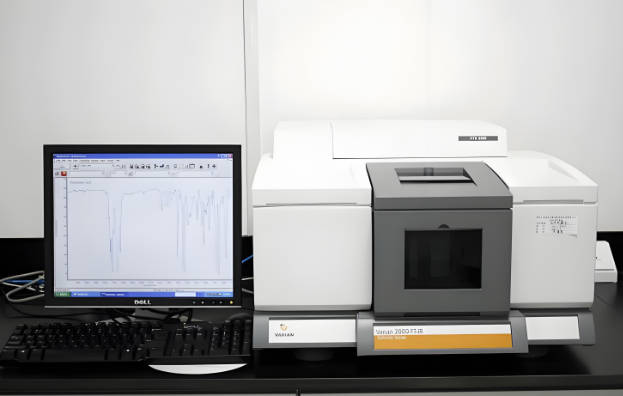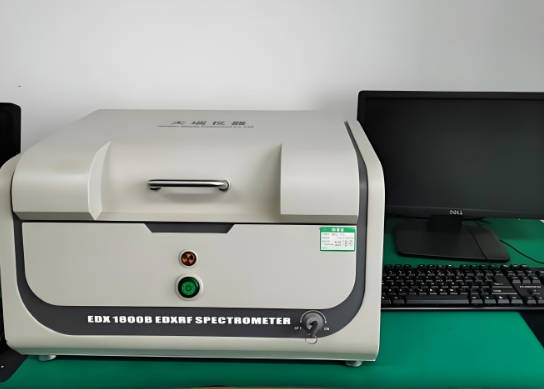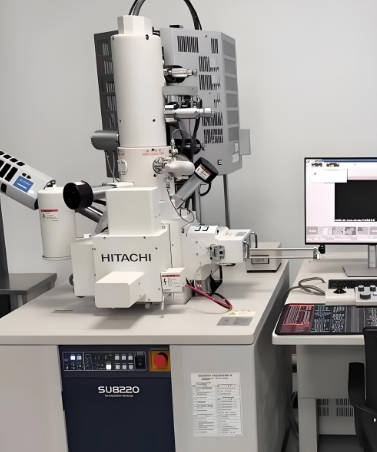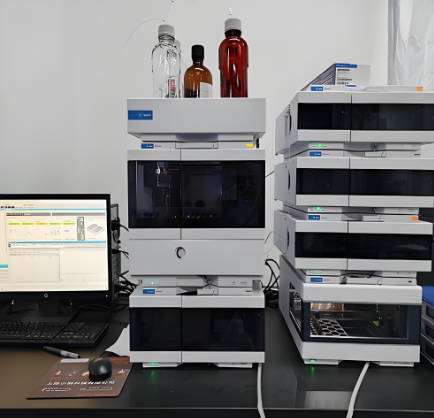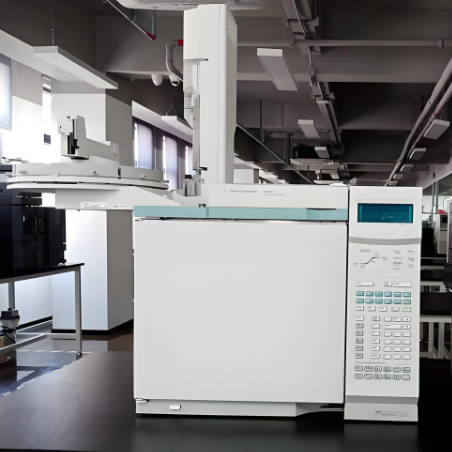
接收机设备检测
GB/T 15152-2006脉冲噪声干扰引起移动通信性能降级的评定方法
本标准规定了由内燃机、电动机或二者推动的车辆、机动车辆、机动船或者有火花点火内燃机装置的干扰引起移动通信性能降级的评定方法。 本标准适用于工作频率为25MHz~2GHz的移动的接收机设备和系统。 本标准提供了主观和客观评定方法,将用它去评定各种移动通信接收设备抗脉冲噪声技术性能。 车辆包括各种汽车、摩托车、拖拉机及摩托雪橇等;机动船也认为是车辆的一种。 装置包括链式锯、灌溉泵、空压机、割草机、固定式和移动式混凝土搅拌机。 本标准不适用于飞机、铁路上牵引系统引起的干扰。
GB/T 20030-2005HFC网络设备管理系统规范
本标准规定了HFC网络设备管理系统的构成与总体技术要求,描述了管理设备间的接口及协议、定义了HFC网络设备管理系统管理信息库集的结构与对象。 本标准适用于HFC网络设备管理系统中管理设备与管理软件的生产、检测及运行维护。
GB/T 20185-2006同步数字体系设备和系统的光接口技术要求
本标准规定了同步数字体系系统和设备光接口的配置、光接口分类和应用代码、光接口参数的定义和要求、光接口参数值。本标准适用于同步数字体系的传输系统和设备,也可应用于采用同步数字体系光接口的光传送网系统和设备。
GB/T 31843.2-2019海上导航和无线电通信设备及系统 数字接口 第2部分:单发话器和多受话器 高速传输
GB/T 31843的本部分规定了通过相应接口互连的海上电子仪器与导航和无线电通信设备之间的数据通信要求。本部分旨在支持从一个单发话器到一个或多个受话器的单向串行数据传输。数据可以以ASCII形式输出,也可以包含任何规定的语句信息或根据专有语句的规则进行编码的信息。典型信息的长度可以从11字符到79字符,并且通常要求重复速率达到每20 ms一次。本部分对电气的定义是为了适应比IEC 61162-1中规定更高的速率。由于只有有限的错误检查功能,无法对消息传递提供保证,本部分在所有安全应用程序中宜谨慎使用。附录A包含了一系列适用于本部分的相关海事组织(IMO)决议和电信联盟(ITU)建议书。
GB/T 50780-2013电子工程建设术语标准
1.0.1为规范电子工程建设的基本术语及其定义,实现术语标准化,制定本标准。1.0.2本标准适用于电子工程建设的规划、咨询、设计、工程监理、工程管理等工程服务以及教学、科研及其他相关领域。1.0.3电子工程建设文件、图纸、科技文献使用的术语,除应符合本标准外,尚应符合现行有关标准的规定。
LY/T 2584-2016森林防火VSAT卫星通信系统建设技术规范
本标准规定了森林防火通信系统建设项目中VSAT(甚小口径卫星终端站)卫星通信系统(高于1 Mbps)总体技术要求。本标准适用于森林防火通信系统中VSAT卫星通信系统建设时的设计、设备选型和技术指标选择。
SL 245-2013水利水电工程地质观测规程
本标准适用于水利水电工程地质勘察期间的地下水、边坡变形、采空区地面沉降、断裂活动性的观测和水库诱发地震的监测工作。
NB/T 20172-2012核电工程测量基准网的建立和管理规定
本标准规定了核电工程测量各级基准网的布设原则、技术规格、作业方法、成果整理提交、各级网维护、仪器使用管理等内容。本标准适用于核电站建设工程测量基准网建立的技术设计、作业,检查与验收等活动。
YD/T 1014-1999STM-64 光线路终端设备技术要求
本标准适用于9953 280kbit/s速率的SDH光缆传输系统的终端设备。规定了在我国公用电信网中使用STM-64光线路终端设备的主要技术要求。专用电信网中的类似设备亦可参照本标准。
YD/T 1259-2003波分复用系统(WDM)光安全进程技术要求
本标准规定了对超出安全光功率限制的光接口所采取的自动光功率减少(APR)进程提供横向兼容性,即允许不同厂商的设备在同一光学子系统中混合组网。光接入网方面的光功率安全处理进程不在本标准范围之内。带RAMAN光放大器的光安全具体进程待研究。本标准适用于采用光放大器的光传送网系统。
YD/T 1680-2013800MHz/2GHz cdma2000数字蜂窝移动通信网设备测试方法 高速分组数据(HRPD)(第二阶段)接入终端(AT)
本标准规定了800MHz/2GHz cdma2000数字蜂窝移动通信网高速分组数据(HRPD)(第二阶段)接入终端的功能、各层性能、环境适应性、寿命、电源和充电器、外观包装及装配等方面的测试方法。本标准适用于支持UIM卡(机卡分离)及不支持UIM卡(机卡一体)的800MHz/2GHz cdma2000 HRPD(第二阶段)接入终端,对于支持UIM卡的800MHz/2GHz cdma2000 HRPD (第二阶段)接入终端,本标准所有项目均适用,对于不支持UIM卡的800MHz/2GHz cdma2000 HRPD (第二阶段)接入终端,本标准涉及到UIM卡及UIM卡接口测试的项目不适用。
YD 5095-2014同步数字体系(SDH)光纤传输系统工程设计规范
本规范适用于SDH光传输系统工程设计。在执行本规范与有关标准和规范有矛盾时,应以标准和规范为准。
IEC 61108-1-2003海上导航和无线电通信设备和系统.导航卫星系统(GNSS).第1部分:定位系统(GPS).接收机设备.性能标准、测试方法和要求的测试结果
Specifies the minimum performance standards, methods of testing and required test results for GPS shipborne receiver equipment, based on the relevant IMO Resolution, which uses the signals from the United States of America, Department of Defence (US DOD), Global Positioning System (GPS) in order to determine position.
IEC 61108-3-2010海上导航和无线电通信设备与系统.导航卫星系统(GNSS).第3部分:伽利略接收设备.性能要求、试验方法和要求的测试结果
This part of IEC 61108 specifies the minimum performance standards, methods of testing andrequired test results for Galileo shipborne receiver equipment, based on IMO resolutionMSC.233(82), which uses the signals from the Galileo Global Navigation Satellite System inorder to determine position. It takes account of the general requirements given in IMOresolution A.694(17) and is associated with IEC 60945. When a requirement in this standardis different from IEC 60945, the requirement in this standard takes precedence. It also takesaccount, as appropriate, of requirements for the presentation of navigation-related informationon shipborne navigational displays given in IMO resolution MSC.191(79) and is associatedwith IEC 62288.A description of the Galileo Open Service and Safety of Life Service is given in the Galileointerface control documents (see Bibliography). This receiver standard applies to navigation inocean waters for the open service and harbour entrances, harbour approaches and coastalwaters for the Safety of Life service, as defined in IMO resolution A.953(23).All text of this standard, whose meaning is identical to that in IMO resolution MSC.233(82), isprinted in italics and the resolution and paragraph numbers are indicated in brackets i.e.(M.233/A1.2).The requirements in Clause 4 are cross-referenced to the tests in Clause 5 and vice versa.
IEC 61108-6-2023海上导航和无线电通信设备和系统导航卫星系统第6部分:印度星座导航/印度区域导航卫星系统接收机设备性能要求、测试方法和要求的测试结果
This part of IEC 61108 specifies the minimum performance requirements, methods of testing and required test results for the Indian regional navigation satellite system (IRNSS), also known as Navigation with Indian Constellation (NavIC), shipborne receiver equipment, based on IMO resolution MSC.449(99), which uses the signals from NavIC/IRNSS in order to determine position. This document takes account of the general requirements given in IMO resolution A.694(17) and is associated with IEC 60945. When a requirement in this document is different from IEC 60945, the requirement in this document takes precedence. This document also takes into account, as appropriate, requirements for the presentation of navigation-related information on shipborne navigational displays given in IMO resolution MSC.191(79) and is associated with IEC 62288. This document further takes into account, as appropriate, requirements for bridge alert management given in IMO resolution MSC.302(87) and is associated wit
ITU-R BR.1530 SPANISH-2001电影中胶片使用的推荐性规范指南
The ITU Radiocommunication Assembly considering that HDTV is defined as one of the picture formats in DTV standards; that compression technology is widely used and provides adequate picture quality in SDTV and HDTV applications not only for secondary distribution to the home but also for broadcasting studio equipment; that devices for HDTV signal compression have been developed by several integrated circuit manufacturers and are available economically in the market; that compression technology makes it possible to produce digital HDTV tape cassette recorders not only for studio production applications but also for field acquisition applications.
ITU-R REPORT BS.2144-2009在低于30兆赫频率下运作的数字调幅广播(DRM)的规划参数和覆盖范围
Countries around the world are in the process of migrating from analogue to digital broadcasting techniques for both television and radio. This Report looks at sound broadcasting in the bands below 30 MHz. It briefly examines the underlying reasons for the migration and looks at the technologies involved. Its focus is the DRM system as developed for use in the LF, MF and HF bands. The Report is intended to: 1) Explain why and how a broadcaster might go digital. 2) Be a reference technical document for DRM planning. 3) Provide new information based on the practical experience in DRM. 英:planning parameters;coverage;digital radio mondiale;broadcasting;frequency