纺织制品涂层附件检测
GB/T 12704.1-2009纺织品.织物透湿性试验方法.第1部分:吸湿法
GB/T 12704的本部分规定了采用吸湿法测定织物透湿性的方法。本部分适用于厚度在10mm以内的各类织物,不适用于透湿率大于29000g/(㎡•24h)的织物。
GB/T 12704.2-2009纺织品.织物透湿性试验方法.第2部分:蒸发法
GB/T 12704的本部分规定了用蒸发法测定织物透湿性的方法。本部分包括两种方法:方法A正杯法和方法B倒杯法。本部分适用于厚度在10mm以内的各类片状织物,其中,方法B倒杯法仅适用于防水透气性织物的测试。
GB/T 21196.1-2007纺织品 马丁代尔法织物耐磨性的测定 第1部分:马丁代尔耐磨试验仪
GB/T 21196的本部分规定了马丁代尔试验仪和辅助材料的要求,用于按照GB/T 21196第2部分至第4部分规定的试验方法测定织物耐磨特性。 本部分适用于试验下列织物的仪器: a)机织物和针织物; b)绒毛高度在2 mm以下的起绒织物; c) 非织造布; d) 涂层织物:以机织物、针织物为基布,且涂层部分在织物表面上形成连续的膜。 注:由于不同方法的结果之间没有可比性,因此在试验开始前就选定磨损试验方法,并在试验报告中记录。使用马 丁代尔仪测定织物抗起球性能见IS0 12945—2《纺织品 织物表面起毛起球性能的测定 第2部分:改型的马丁代尔法》
GB/T 21294-2014服装理化性能的检验方法
本标准规定了服装产品理化性能检验的测试方法。本标准适用于以纺织机织物为主要原料生产的服装产品理化性能技术指标的检验。
GB/T 29862-2013纺织品 纤维含量的标识
本标准规定了纺织产品纤维含量的标签要求、标注原则、表示方法、允差以及标识符合性的判定,并给出了纺织纤维含量的标识示例。本标准适用于在国内销售的纺织产品。附录A中列举的产品不属于本标准的范围,另有规定的除外。
GB/T 30156-2013纺织制品涂层附件腐蚀和磨损的方法
本标准规定了在检测纺织制品中带涂层金属附件的镍释放量之前的一种加速腐蚀和磨损方法。本标准适用于镍释放量测定的,表面有金属镀层、清漆或塑料等涂层的拉链、纽扣、铆钉、装饰链和标牌等纺织制品的金属附件。
GB/T 30158-2013纺织制品附件镍释放量的测定
本标准规定了纺织制品中直接与皮肤频繁接触附件镍释放量的测定方法。本标准适用于纺织制品中的附件,如拉链、纽扣等镍释放量的测定,其他类附件可参照执行。
GB 31701-2015婴幼儿及儿童纺织产品安全技术规范
本标准规定了婴幼儿及儿童纺织产品的安全技术要求、试验方法、检验规则。本标准适用于在我国境内销售的婴幼儿及儿童纺织产品。
GB/T 33271-2016机织婴幼儿服装
本标准规定了机织婴幼儿服装的术语和定义、要求、检验方法、检验分类规则,以及标志、包装、运输和贮存。本标准适用于以纺织机织物为主要面料生产的婴幼儿服装。纺织机织物为主要面料生产的婴幼儿帽子、手套、袜子、围兜等产品可参照本标准执行。
GB/T 35270-2017婴幼儿背带(袋)
本标准规定了婴幼儿背带(袋)的要求、检验方法、使用说明、检验规则,以及包装、运输和贮存等技术特征。本标准适用于头部有一定直立支撑力,可垂直依附于成人身体躯干上的婴幼儿(年龄宜4个月及以上)使用的背带(袋)产品。
GB/T 35611-2017绿色产品评价 纺织产品
本标准规定了绿色纺织产品的评价指标和评价方法。本标准适用于各类纺织产品,包括纤维、纱线、织物、制品及其附件。
CB/Z 205-2004水面舰艇重量分项
本指导性技术文件规定了水面舰艇各设计阶段重量重心计算中的重量分项。t本指导性技术文件适用于水面舰艇(包括两栖作战舰艇和水雷战舰艇)的设计。
SN/T 1649-2012进出口纺织品安全项目检验规范
本标准规定了进出口纺织品的基本安全项目的技术要求、试验方法和检验规则,并给出了其他安全项目的限定指标及主要内容等。本标准适用于进出口纺织品安全项目的检验。
SN/T 1929-2007进出口纺织品安全项目检验术语
本标准规定了进出口纺织品安全项目检验的通用术语。
SN/T 4484-2016进出口纺织品 服装附件表面镍释放量快速筛选方法 能谱法
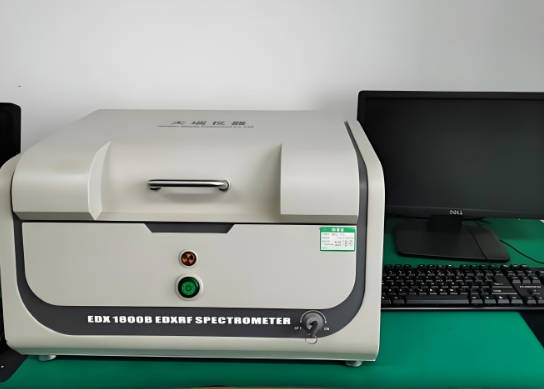
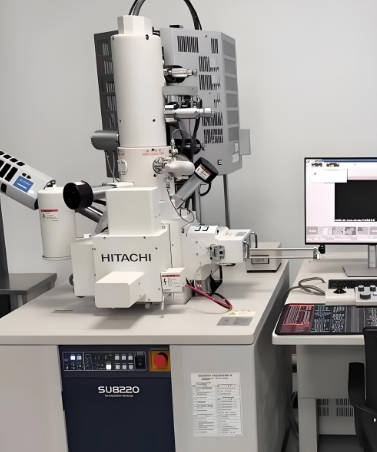
本标准规定了服装附件表面镍释放量的扫描电子显微镜/X射线能谱法和能量色散型X射线荧光法等快速筛选方法。本标准适用于金属铆钉、钮扣、紧固物、拉链、装饰链和标牌等服装附件镍释放量测定的快速筛选。
FZ/T 01172-2023纺织制品中附件镍释放量快速筛选法
本文件规定了采用扫描电子显微镜/X射线能谱法和能量色散型X射线荧光法测定纺织制品中附件镍释放量的快速筛选方法。r本文件适用于纺织制品上带金属涂层的附件和不带金属涂层的金属附件。
DIN EN 1486-2008消防人员用防护衣服.专门防火用反射服的试验方法和要求
This European Standard considers requirements for the protection of the whole body including head, hands andfeet. Clothing for head and feet according to this European Standard, however, may only provide sufficientprotection when worn together with such basic PPE specified in the relevant standards as noted in paragraphs4.2 and 44 of this European Standard.This European Standard specifies test methods and minimum performance requirements for reflective protectiveclothing used in specialised fire-fighting.This clothing provides protection against flame lick and intense radiant heat and is worn for short periods only, toenable the fire-fighter to enter specific high-risk fire-fighting and fire rescue situations which also require the useof breathing apparatus.This European Standard only covers protective clothing that relies upon the ability of the outer material to reflectintense radiant heat. This type of reflective clothing may also be used for industrial applications involving highlevels of radiant heat.The reflective clothing specified in this European Standard is not covered in EN 469.
DIN EN 4416-2007航空航天系列.非金属材料.纺织材料.宽机织物.技术规范
This standard defines the requirements for manufacture,inspection and testing of wide woven fabrics for aerospace applications.
DIN EN ISO 11611-2015焊接及相关工艺用防护服(ISO 11611-2015);德文版本EN ISO 11611-2015
This International Standard specifies minimum basic safety requirements and test methods for protective clothing including hoods, aprons, sleeves and gaiters that are designed to protect the wearer's body including head (hoods) and feet (gaiters) and that are to be worn during welding and allied processes with comparable risks. For the protection of the wearers head and feet, this International Standard is only applicable to hoods and gaiters. This International Standard does not cover requirements for feet, hand, face and/or eye protectors.This type of protective clothing is intended to protect the wearer against spatter (small splashes of molten metal), short contact time with flame, radiant heat from an electric arc used for welding and allied processes, and minimizes the possibility of electrical shock by short-term, accidental contact with live electrical conductors at voltages up to approximately 100 V d. c. in normal conditions of welding. Sweat, soiling or other contaminants can affect the level of protection provided against short-term accidental contact with live electric conductors at these voltages. For adequate overall protection against the risks to which welders are likely to be exposed, personal protective equipment (PPE) covered by other standards should additionally be worn to protect the head, face, hands and feet. Guidance for the selection of the type of welders clothing for different welding activities is detailed in Annex A of this International Standard.
DIN EN ISO 11612-2015防护服装.隔热和阻燃防护服装.低性能要求(ISO 11612-2015);德文版本EN ISO 11612-2015
This International Standard specifies performance requirements for protective clothing made from flexiblematerials, which are designed to protect the wearers body, except the hands, from heat and/or flame. Forprotection of the wearers head and feet, the only items of protective clothing falling within the scope of thisInternational Standard are gaiters, hoods and overboots. However, concerning hoods, requirements for visorsand respiratory equipment are not given. The performance requirements set out in this International Standard are applicable to protective clothing which could be worn for a wide range of end uses, where there is a need for clothing with limited flame spread properties and where the user can be exposed to radiant or convective or contact heat or to molten metal splashes. This International Standard is not applicable to protective clothing that is specified by other InternationalStandards (see introduction).