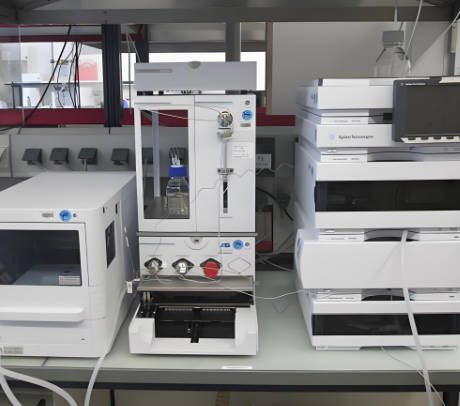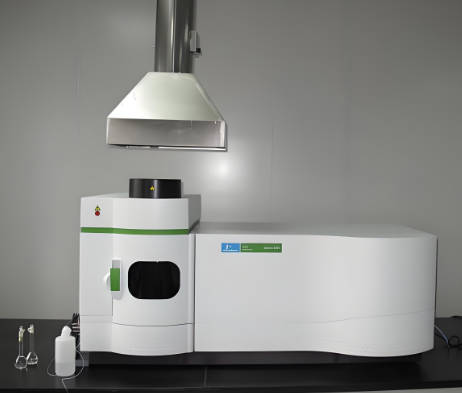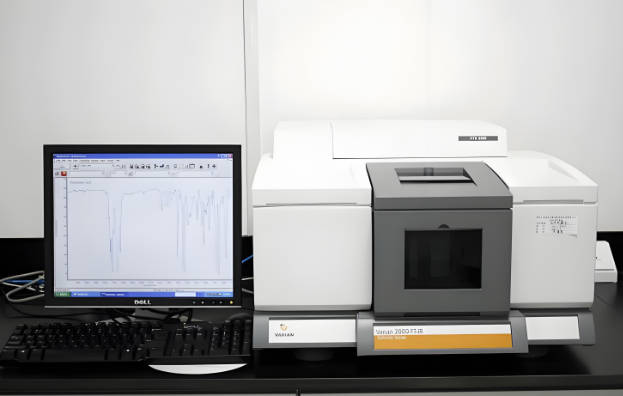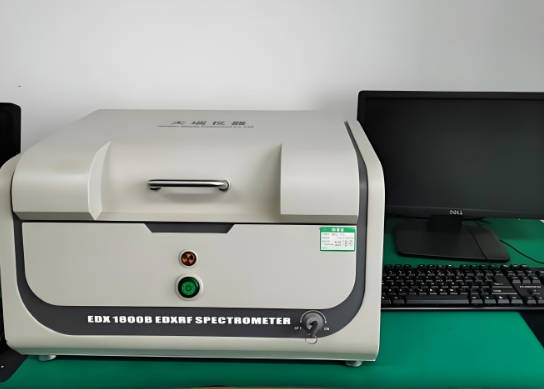
工业用三乙二醇检测
GB/T 14571.2-2018工业用乙二醇试验方法 第2部分:纯度和杂质的测定 气相色谱法
GB/T 14571的本部分规定了测定工业用乙二醇中纯度及杂质气相色谱法的原理、试剂或材料、仪器设备、样品、试验步骤、试验数据处理、精密度、质量保证和控制、试验报告。本部分适用于测定纯度不低于98.0%(质量分数)的工业用乙二醇样品。其中,1,2-丙二醇和三乙二醇的检测限为0.002 0%(质量分数),1,3-二氧杂烷-2-甲醇、二乙二醇、1,2-丁二醇、1,4-丁二醇、1,2-己二醇和碳酸乙烯酯的检测限为0.001 0%(质量分数)。
GB 32048-2015乙二醇单位产品能源消耗限额
本标准规定了乙二醇单位产品能源消耗(简称能耗)限额的技术要求、统计范围和计算方法、节能管理与措施。本标准适用于乙烯法和合成气法乙二醇生产企业单位产品能耗的计算、考核,以及对新建或改扩建项目的能耗控制。
HG/T 2843-1997化肥产品 化学分析常用标准滴定溶液、标准溶液、试剂溶液和指示剂溶液
本标准规定了化肥产品中化学分析常用标准滴定溶液的配制、标定和贮存方法;标准溶液、试剂溶液和指示剂溶液的配制和贮存方法。
HG/T 3270-2002工业用异丁醇
本标准规定了工业用异丁醇的要求、试验方法、检验规则及标志、包装、运输、贮存和安全等。 本标准适用于羰基合成法生产的工业用异丁醇。该产品是有机合成原料,主要用于制造石油添加剂、抗氧剂、增塑剂、乙酸酯等。
SH/T 1054-2022工业用二乙二醇纯度和杂质的测定 气相色谱法
本文件规定了工业用二乙二醇的纯度及杂质测定的气相色谱法。本文件适用于纯度不低于99.0%(质量分数)的工业用二乙二醇样品。其中乙二醇、三乙二醇、1,3-二氧戊环-2-甲醇、1,4-二氧六环-2-醇和1,4-丁二醇等杂质的低测定含量为0.0020%(质量分数)。
SH/T 1795-2015工业用三乙二醇
本标准规定了工业用三乙二醇的要求、试验方法、检验规则、标志、包装、运输、贮存和安全。本标准适用于环氧乙烷水合生产乙二醇得到的副产物三乙二醇,其主要用途是用作天然气、油田伴生气和二氧化碳的脱水剂,硝化纤维素、橡胶和树脂等的溶剂,干燥剂、润滑剂和增塑剂。分子式:C<下标6>H<下标14>O<下标4>相对分子质量:150.184(按2011相对原子质量)。
SH/T 1796-2015工业用三乙二醇纯度与杂质的测定 气相色谱法
本标准规定了用气相色谱法测定工业用三乙二醇的纯度和杂质含量。本标准适用于三乙二醇含量不低于80.0%(质量分数),乙二醇、二乙二醇杂质含量不低于0.01%(质量分数)、四乙二醇杂质含量不低于0.02%(质量分数)样品的测定。
SN/T 2360.8-2009进出口食品添加剂检验规程 第8部分:胶基糖果中基础剂物质及其配料
SN/T 2360的本部分规定了进出口食品添加剂胶基糖果中基础剂物质及其配料的技术要求、抽样、检验、结果评价、综合评定和处置和复验的原则。本部分适用于进出口食品添加剂胶基糖果中基础剂物质及其配料的监督检验。
SN/T 2360.25-2009进出口食品添加剂检验规程 第25部分:食品工业用加工助剂
SN/T 2360的本部分规定了进出口食品添加剂(食品工业用加工助剂)的技术要求、抽样、检验、结果评价、综合评定和处置及复验的原则。本部分适用于进出口食品添加剂(食品工业用加工助剂)的监督检验。
TD/T 1043.1-2013暗管改良盐碱地技术规程 第1部分 :土壤调查
TD/T 1043的本部分为暗管改良盐碱地工程的规划设计、施工管理、监测评价及其后期维护管理提供土壤调查参数指标和各参数的测定方法。规定了暗管改良区域土壤调查的一般程序,土壤环境、理化性质、水文特征等调查指标,提供了各调查指标的测定方法以及土壤调查报告的编写规范等内容。本部分适用于以暗管改良盐碱地为目的的土壤调查工作和我国北方地区盐土或盐化土壤的改良利用工程,也适应于农田暗管排水工程进行防涝除渍等。在改善土壤渗透性条件下,本部分可指导碱化土壤的改良利用应用暗管改碱技术。
HJ 458-2009环境标志产品技术要求.家用洗涤剂
本标准规定了家用洗涤剂类环境标志产品的基本要求、技术内容和检验方法。本标准适用于家用洗涤剂,包括织物洗涤剂和护理剂、餐具和果蔬用洗涤剂、硬表面清洗剂和洗手液。
CNS 4087-1977三乙二醇
本标准适用于一般工业用之三乙二醇。
BS 1427-2009水分析用现场试验方法指南
This British Standard describes information and guidance on testmethods for the analysis of industrial and other waters which areapplicable outside of a conventional laboratory as either in situon‑site tests; or the use of a close suitable designated room/areatesting facility. For some tests this could include dedicated spacein a designated vehicle or caravan. These test methods can relateto compliance, water quality and process control purposes. Norecommendation is given as to which test is applicable to a particulartype of water, nor is it implied that in any given case all tests or anyparticular suite of tests are necessary. The selection of tests depends onlocal requirements and conditions. Samples requiring preservation forsubsequent analysis are outside of the scope of this British Standard.Certain tests such as adsorbable organic halides (AOX), chemicaloxygen demand (COD), total organic carbon (TOC) and total nitrogenneed a suitable designated test room/area facility and are notconsidered suitable for testing outside of these designated areas.Sample stability is not considered to be a significant problem as mosttest-kit measurements are carried out with minimal delay.Most of the methods described in this standard can be applicable foruse on clean or lightly polluted waters which might have undergonetreatment or been modified for industrial use. Typically, the types ofwaters for which the tests are intended include the following:a) boiler waters;b) cooling waters;c) waters from hot water systems;d) waters from air conditioning systems;e) waters from industrial air washing systems;f) potable waters;g) ground waters;h) surface waters;i) process waters; andj) swimming pool waters.Certain more heavily polluted waters can be routinely tested forcertain control purposes for specific determinands using the testmethods cited in this British Standard. Such waters include:1) sewage works influents and effluents;2) selected industrial effluents.Emergency screening analysis for major pollution incidents is notcovered (see commentary).The on‑site methods outlined in this British Standard includetitrimetric, colorimetric and instrumental analytical techniques andalso includes consideration of commercial test-kits: their generalprinciples and formats available. It is generally accepted that in theUK, the vast majority of on‑site measurements are carried out usingcommercial test-kits rather than user-devised test-kit type methodsfollowing similar equivalent method procedures to those used inconventional laboratories. Also the designated room/area testingfacility titrimetric methods described in Section 4 of this standardmight require staff with a greater degree of training than commercialtest-kit titrimetric methods which can be readily used outside of theseareas. These methods are less likely to be used by non‑analysts thanthe more robust test-kit titrimetric methods.The technique used and principle of the designated room/area testingfacility titrimetric method are described within each test method andeach method is self‑contained within a standard format.This British Standard does not apply to radioactivity, ecotoxicity (SeePersoone et al., 2000 [4]) or microbiological testing. Spot tests are notcovered (Jungris, 1997 [5]).Many of the relevant methods are suitable for analysis for the waterframework directive (see Note and SWIFT 2003 [6]), water for humanconsumption (see Note) and for monitoring of discharges to waterand sewer (EA, 2006 [7] and Dixon and Gardner, 1997 [8]).